
A Step-by-Step Guide to Understanding Car Radar Calibration
Introduction to Car Radar Calibration
Modern vehicles are equipped with advanced driver-assistance systems (ADAS) that rely heavily on radar sensors. These systems enhance safety and driving comfort, but they require precise calibration to function effectively. This guide will walk you through the essentials of car radar calibration.
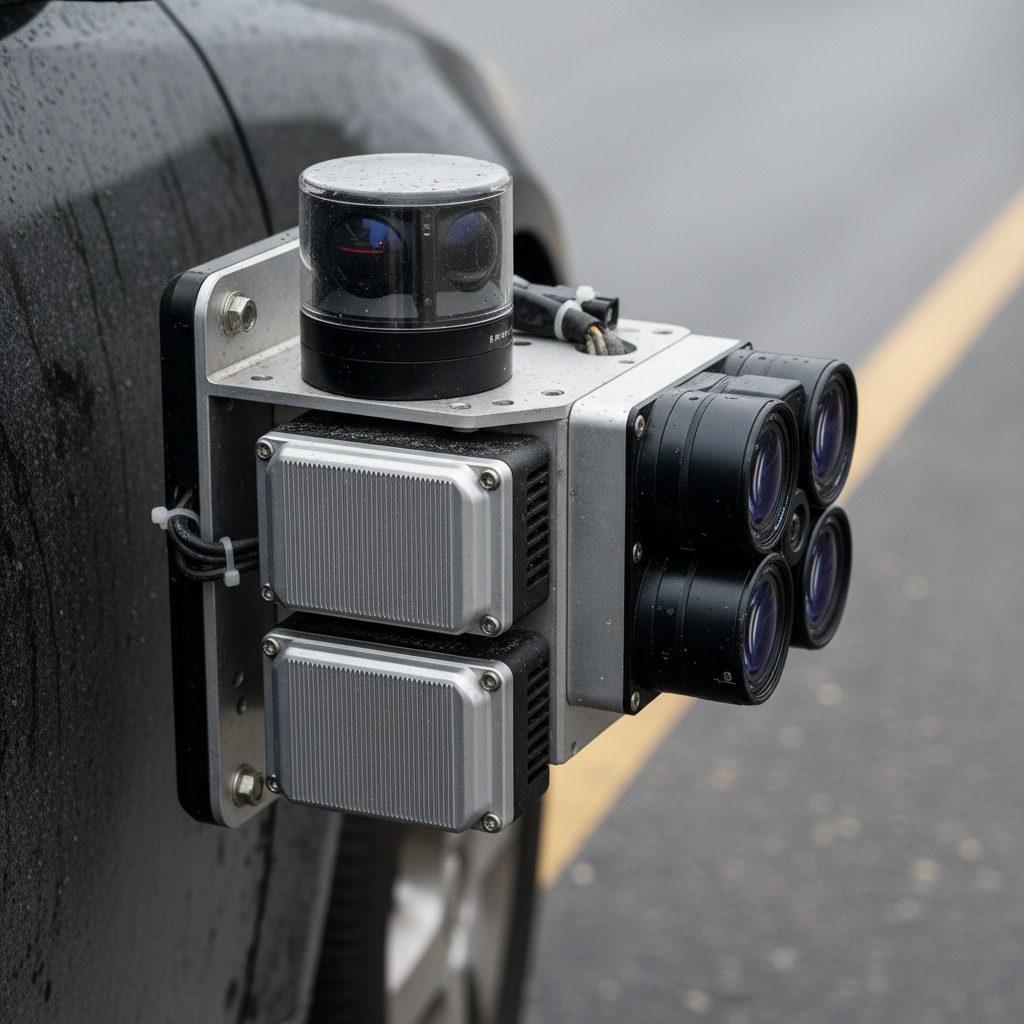
Why Radar Calibration is Important
Proper radar calibration ensures that your vehicle's safety systems, such as adaptive cruise control and collision avoidance, operate accurately. Misalignment or incorrect calibration can lead to unreliable system performance, putting you and other road users at risk.
When is Calibration Needed?
Radar calibration is typically required in the following situations:
- After a collision or accident involving the vehicle.
- When replacing the radar sensor.
- Following any modifications to the vehicle's suspension or alignment.
- After a windshield replacement, if the radar is integrated with the windshield.
Steps for Radar Calibration
Calibration can be complex and requires specialized equipment. Here’s a general overview of the process:
- Initial Inspection: Ensure that the vehicle is on a level surface and that the radar sensors are clean and free from obstructions.
- System Diagnostics: Use a diagnostic tool to check for error codes related to the radar system.
- Target Placement: Accurately place calibration targets in front of the vehicle as specified by the manufacturer's guidelines.
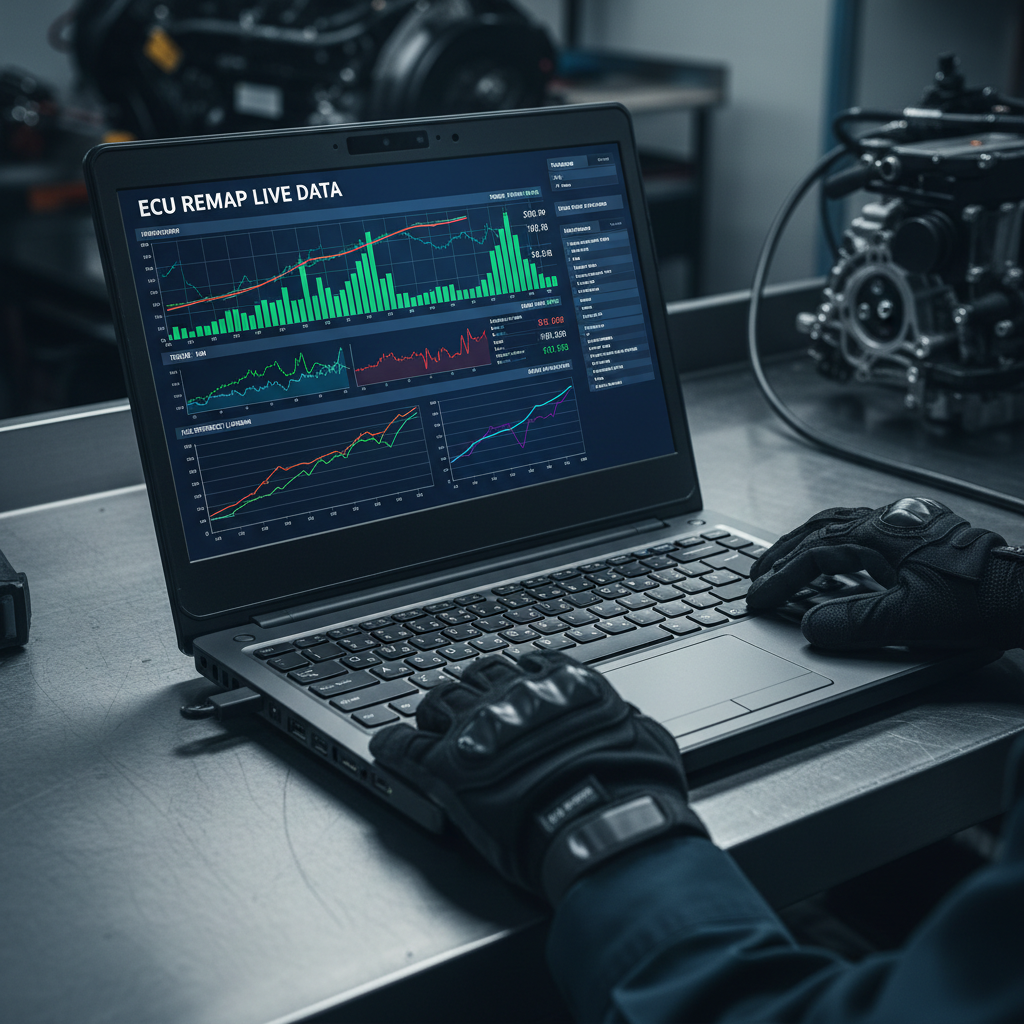
Using Specialized Equipment
Calibration requires specific tools, such as laser alignment devices and radar calibration stands. These tools help in measuring and adjusting the radar’s alignment precisely. It is often recommended to have this service performed by certified technicians.
Common Challenges in Calibration
Several factors can complicate radar calibration, including environmental conditions like lighting and space constraints. Improper calibration can lead to inaccurate sensor readings, so it's crucial to follow the manufacturer's instructions meticulously.
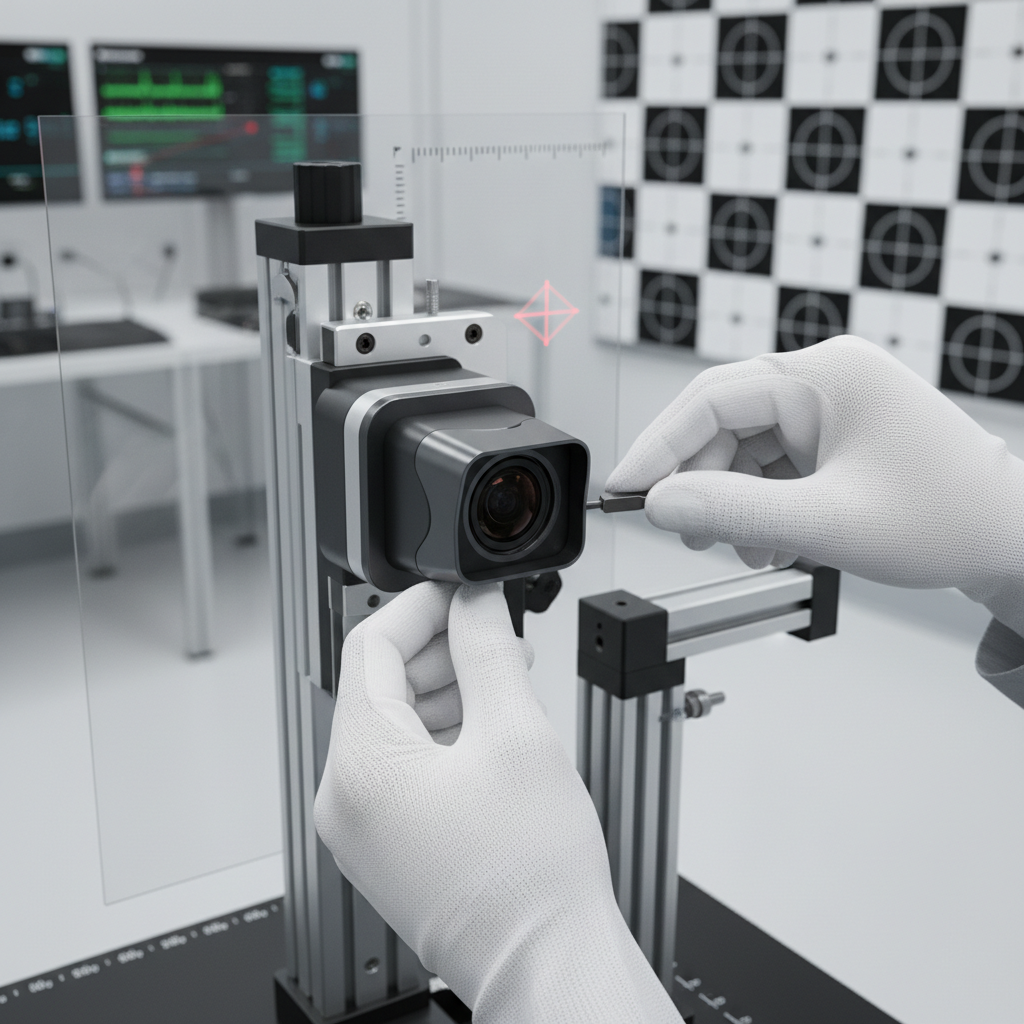
Benefits of Professional Calibration
While some calibration can be done using DIY methods, professional services ensure accuracy and reliability. Certified technicians have the expertise and equipment necessary to perform the calibration according to industry standards.
Conclusion: Ensuring Safety and Efficiency
Regular calibration of your vehicle’s radar system is vital for maintaining the safety and efficiency of its ADAS features. By understanding the importance of radar calibration and knowing when and how it should be done, you can ensure that your vehicle remains safe and reliable on the road.