
Case Study: Improving Safety with Adaptive Cruise Control in West Yorkshire
The Rise of Adaptive Cruise Control
In recent years, the development of Adaptive Cruise Control (ACC) has revolutionized road safety. This technology automatically adjusts a vehicle's speed to maintain a safe distance from the car ahead, significantly reducing the risk of collisions. In West Yorkshire, where traffic congestion is a common issue, ACC is proving to be an invaluable asset.
West Yorkshire’s highways are bustling with commuters daily, making it an ideal setting for implementing advanced vehicle technologies. With a focus on enhancing driver safety and comfort, adaptive cruise control is becoming a standard feature in many new vehicles.

How Adaptive Cruise Control Works
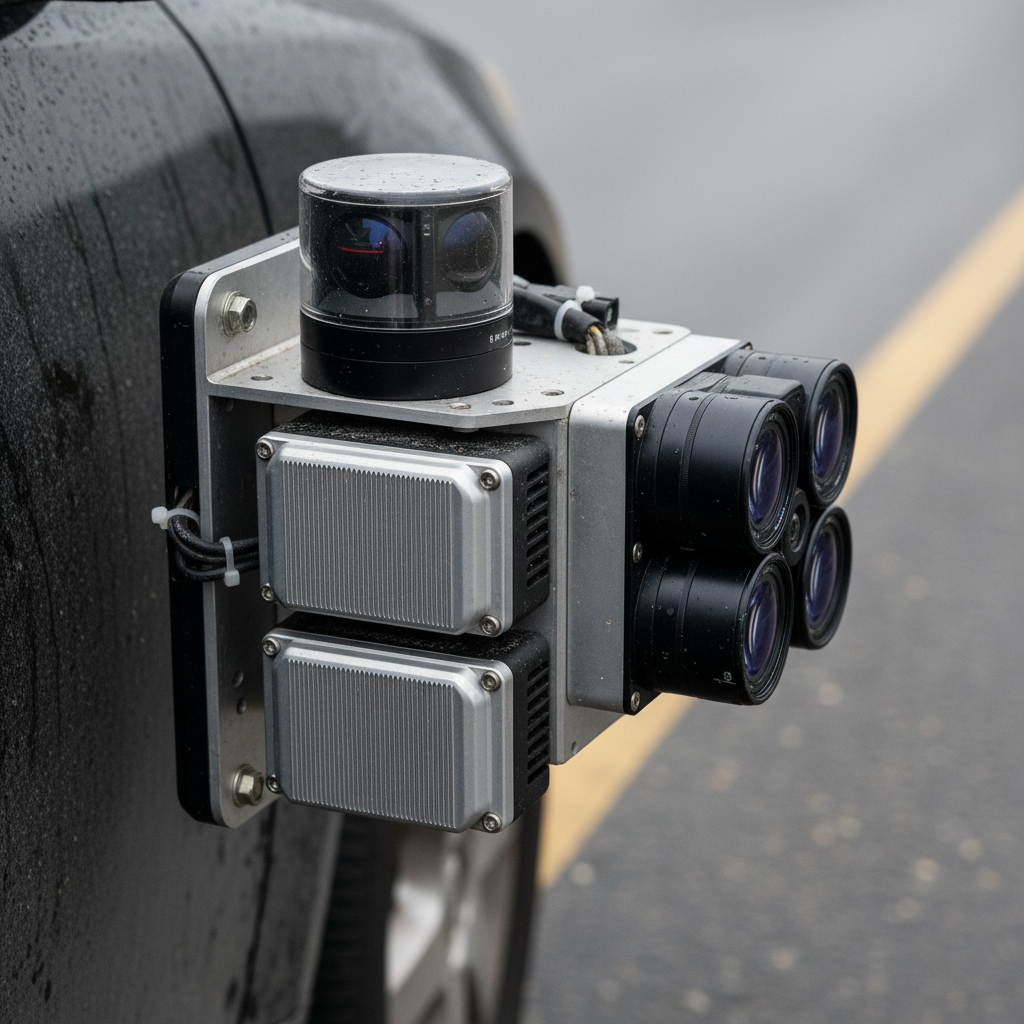
Adaptive Cruise Control uses a combination of sensors and cameras to monitor the distance and speed of vehicles in front. When the traffic slows down, the system automatically reduces the car's speed. Conversely, it accelerates when the road clears, maintaining a pre-set speed limit defined by the driver.
This technology not only provides convenience but also contributes to a smoother driving experience. By minimizing sudden stops and starts, ACC helps reduce fuel consumption and wear on vehicle components, leading to long-term savings for drivers.
Case Study: Implementation in West Yorkshire
In West Yorkshire, a pilot program was launched to assess the impact of adaptive cruise control on local roads. The study involved a fleet of vehicles equipped with ACC, monitored over six months. The results were promising, with a noticeable decrease in rear-end collisions and improved traffic flow on major routes.
The success of this program has encouraged further investment in vehicle safety technology across the region. Local authorities are now advocating for broader adoption of ACC, particularly for commercial fleets and public transportation.

Benefits for Drivers and the Community
Drivers in West Yorkshire have reported feeling more relaxed and secure while using adaptive cruise control. The technology allows them to focus more on their surroundings rather than constantly adjusting speed, reducing driver fatigue on long journeys.
For the community, the widespread use of ACC means fewer accidents, leading to less congestion and reduced emergency service demands. This improvement in road safety ultimately benefits everyone, resulting in a safer and more efficient transportation network.
Future Prospects
As technology continues to advance, adaptive cruise control systems are expected to become even more sophisticated. Future developments may include integration with other smart vehicle systems, such as lane-keeping assist and traffic sign recognition, providing a more comprehensive safety package.
West Yorkshire’s commitment to embracing these innovations sets a precedent for other regions, highlighting the importance of investing in technology that prioritizes both safety and efficiency.

Conclusion
Adaptive Cruise Control is transforming the driving experience in West Yorkshire, providing a safer, more efficient way to navigate busy roads. As more drivers and industries recognize its benefits, ACC is likely to become an essential feature in vehicles worldwide.
The success of the West Yorkshire case study showcases the potential for adaptive cruise control to improve road safety on a larger scale, paving the way for a new era in transportation technology.