
Case Study: Successful ADAS Calibration in Dewsbury
Introduction to ADAS Calibration
Advanced Driver Assistance Systems (ADAS) are becoming increasingly prevalent in modern vehicles. These systems enhance safety by aiding drivers with features like lane-keeping assistance, adaptive cruise control, and automatic emergency braking. However, ensuring these systems work correctly requires precise calibration.
In Dewsbury, a local automotive service center achieved remarkable success in ADAS calibration, setting a benchmark for others in the industry. This case study explores their approach and highlights the key factors contributing to their success.

The Importance of Accurate Calibration
ADAS calibration is critical for the optimal performance of safety features. An improperly calibrated system can lead to inaccurate readings and potentially hazardous situations. In Dewsbury, the team focused on ensuring precise calibration to maintain the integrity of these safety features.
The automotive service center invested in state-of-the-art equipment and trained their technicians thoroughly. This combination of technology and expertise was a crucial factor in their successful outcomes.
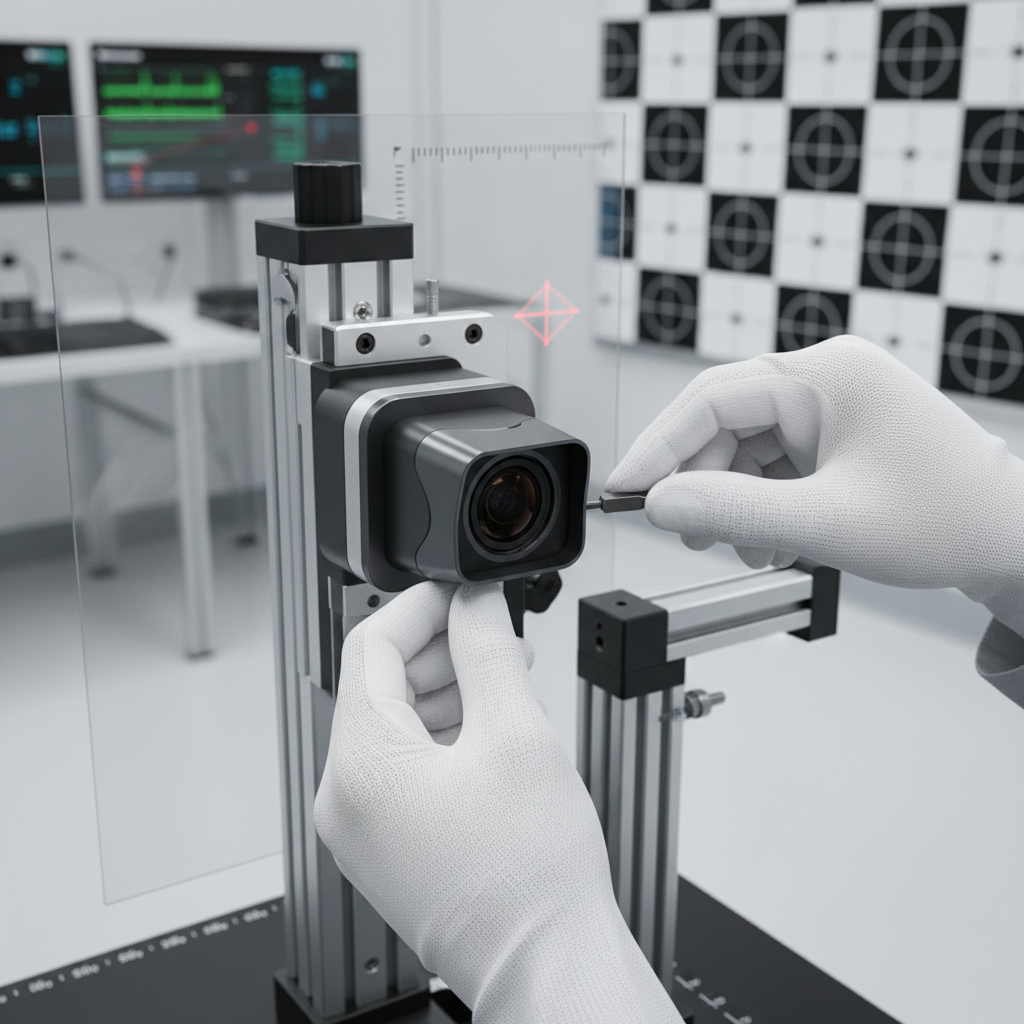
Steps in the Calibration Process
The service center followed a detailed process to achieve accurate ADAS calibration. The steps included:
- Initial Assessment: Inspecting the vehicle and its ADAS components for any damage or misalignment.
- Equipment Setup: Utilizing advanced tools to ensure precision in calibration.
- Testing: Running tests to verify the system's performance post-calibration.
Challenges Faced and Overcome
One of the significant challenges faced was the diversity of vehicle models requiring calibration. Each model comes with its specific requirements and specifications. The team in Dewsbury tackled this by maintaining a comprehensive database of vehicle specifications and conducting regular training sessions for their technicians.
Another challenge was staying updated with the rapidly evolving ADAS technology. The service center addressed this by fostering a culture of continuous learning and development, ensuring their staff remained at the forefront of industry advancements.

Customer Satisfaction and Feedback
The success of the calibration efforts was reflected in customer satisfaction. Clients reported improved vehicle performance and a heightened sense of safety on the roads. The service center also encouraged feedback, using it to refine and enhance their processes continually.
Positive testimonials and word-of-mouth referrals significantly boosted the service center's reputation in Dewsbury, making them a preferred choice for ADAS calibration.
Conclusion
The case study of successful ADAS calibration in Dewsbury highlights the importance of expertise, technology, and continuous improvement. By investing in these areas, the service center not only ensured the safety and satisfaction of their clients but also set a standard for others in the industry to follow.
As ADAS technology continues to evolve, the lessons learned from Dewsbury's experience will undoubtedly serve as a valuable guide for automotive service providers worldwide.