
Common Misconceptions About ADAS Calibration
Understanding ADAS Calibration
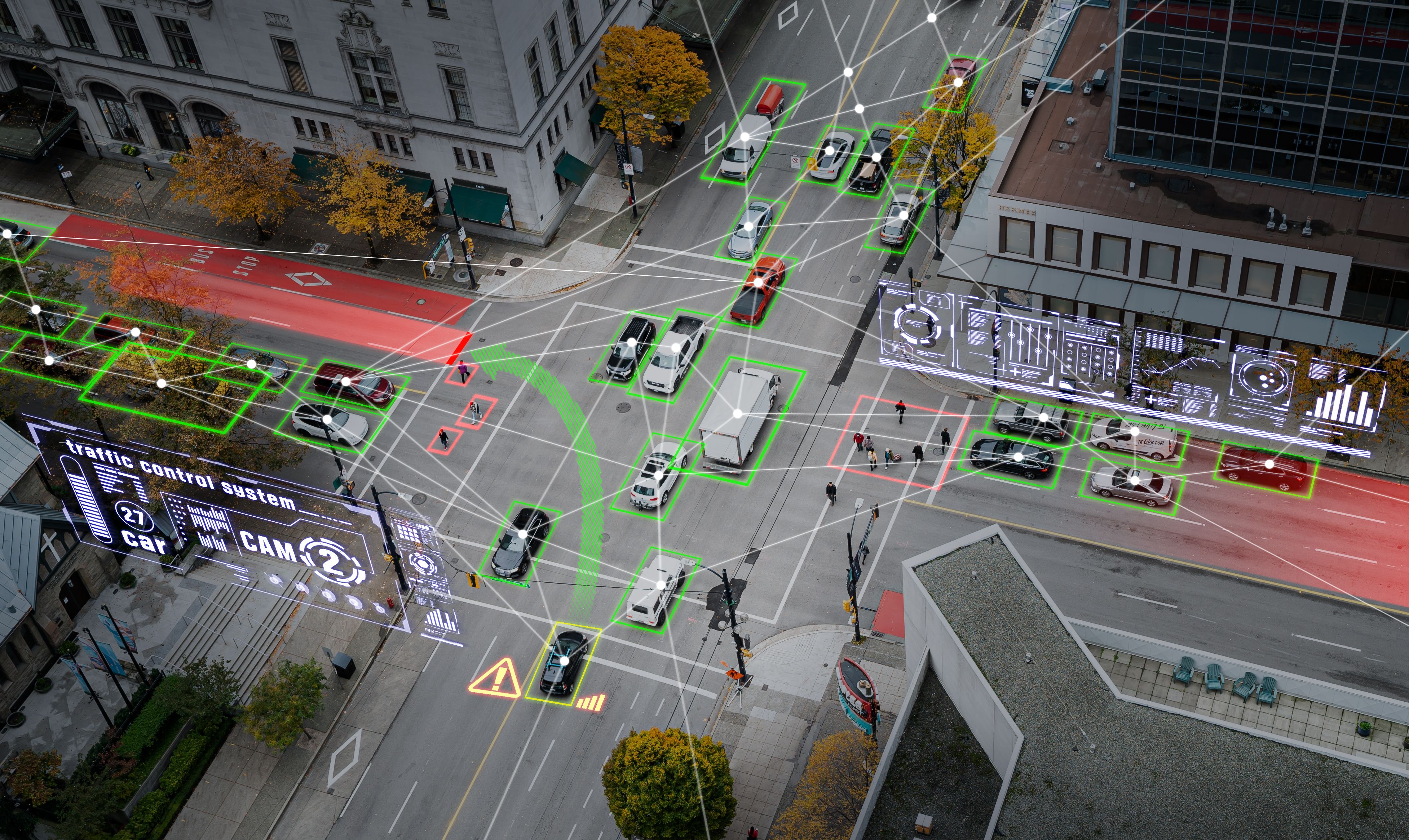
Advanced Driver Assistance Systems (ADAS) have revolutionized vehicle safety, providing features like lane departure warnings, adaptive cruise control, and automatic emergency braking. These systems rely heavily on precise calibration to function correctly. However, several misconceptions about ADAS calibration persist among vehicle owners and even some technicians.
Myth 1: Calibration is Only Necessary After a Collision
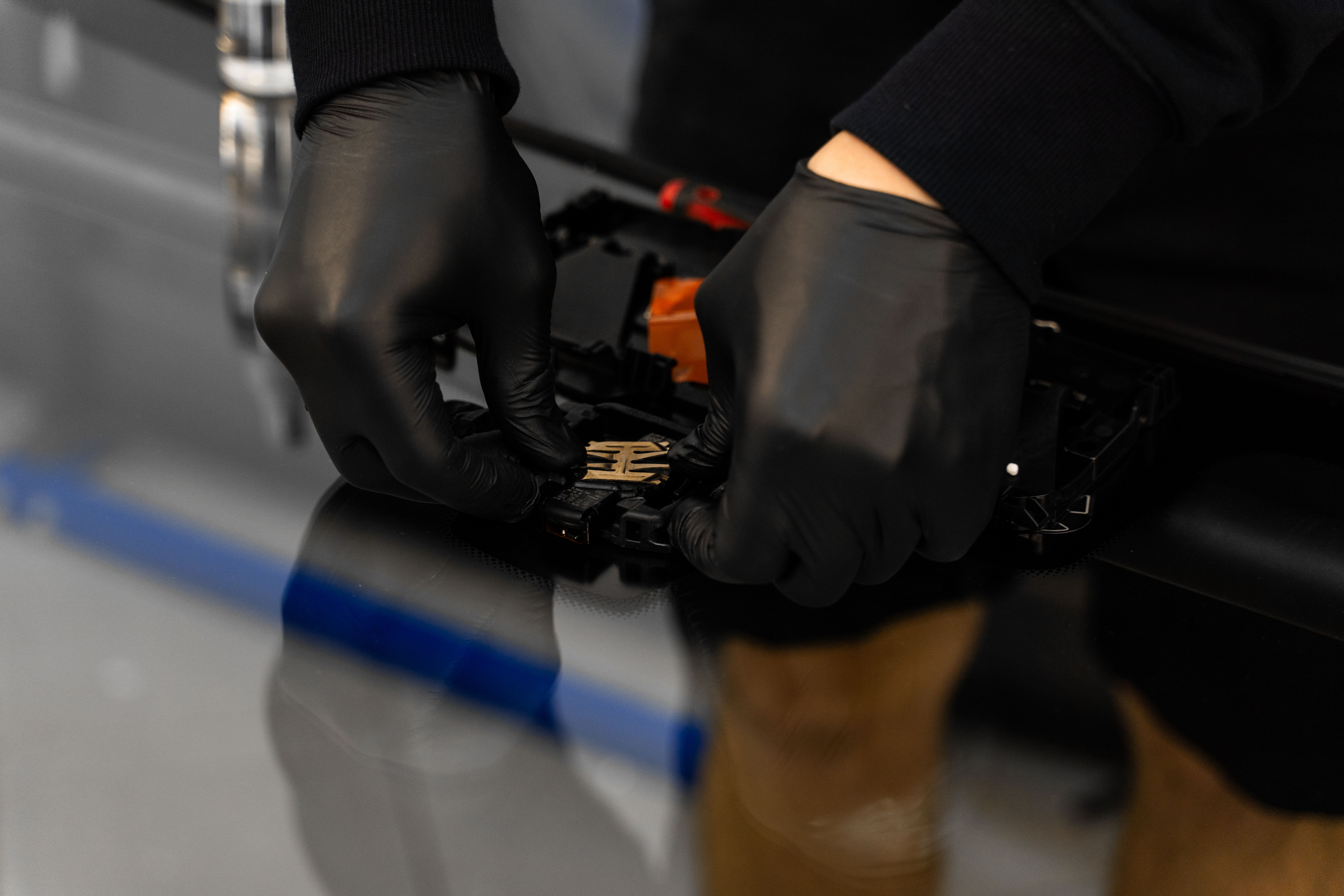
One common misconception is that ADAS calibration is only needed after a significant collision. In reality, any event that affects the sensors' positions, such as minor fender benders, windscreen replacements, or suspension work, may necessitate recalibration. Even routine maintenance like wheel alignment can affect sensor functionality.
Ignoring the need for recalibration can result in inaccurate sensor readings, which may compromise the system's ability to detect obstacles or lane markings accurately. It's crucial to follow the manufacturer's guidelines to ensure optimal system performance.
The Complexity of ADAS Calibration
Another misunderstanding is the perceived simplicity of the calibration process. Many assume it's a quick adjustment similar to aligning a mirror. However, ADAS calibration is a technical and precise process that requires specialized equipment and expertise.
Myth 2: Calibration Can Be Done DIY
Some vehicle owners believe they can handle ADAS calibration themselves, but this is far from true. Calibration often requires specific tools and software that are only available to trained professionals. Attempting a DIY approach may result in improper calibration, leading to system failures or false alarms.
Professional technicians use advanced diagnostic tools to ensure that every sensor and camera is correctly aligned and functioning. This precision is essential for the safety features to operate as intended.
Cost Misconceptions
The cost of ADAS calibration can be a concern, leading some to skip it altogether. However, it's important to understand that the cost of proper calibration is an investment in safety. Neglecting it can lead to costly repairs or even accidents.

Myth 3: Calibration is Overpriced
While some may view the price of calibration as excessive, considering it as part of overall vehicle maintenance helps put it into perspective. The expense reflects the complexity and technology involved, ensuring that the system performs reliably and safely.
Insurance companies often recognize the importance of ADAS calibration and may cover the cost, especially if it follows a repair. It's worth checking your policy to see if this applies to you.
Conclusion: Ensuring Safety Through Proper Calibration
Understanding the necessity and intricacies of ADAS calibration is crucial for all vehicle owners. By debunking these common misconceptions, we can appreciate the role calibration plays in maintaining vehicle safety and performance.
For peace of mind, always rely on certified professionals to handle ADAS calibration. This not only ensures that your vehicle's safety features work as intended but also enhances overall driving confidence.