
DIY Car Radar Calibration: What You Need to Know Before Trying It Yourself
Understanding Car Radar Systems
Modern vehicles often come equipped with advanced radar systems that enhance safety features such as adaptive cruise control and collision avoidance. These systems rely on precise calibration to function effectively, making it a critical aspect of vehicle maintenance.
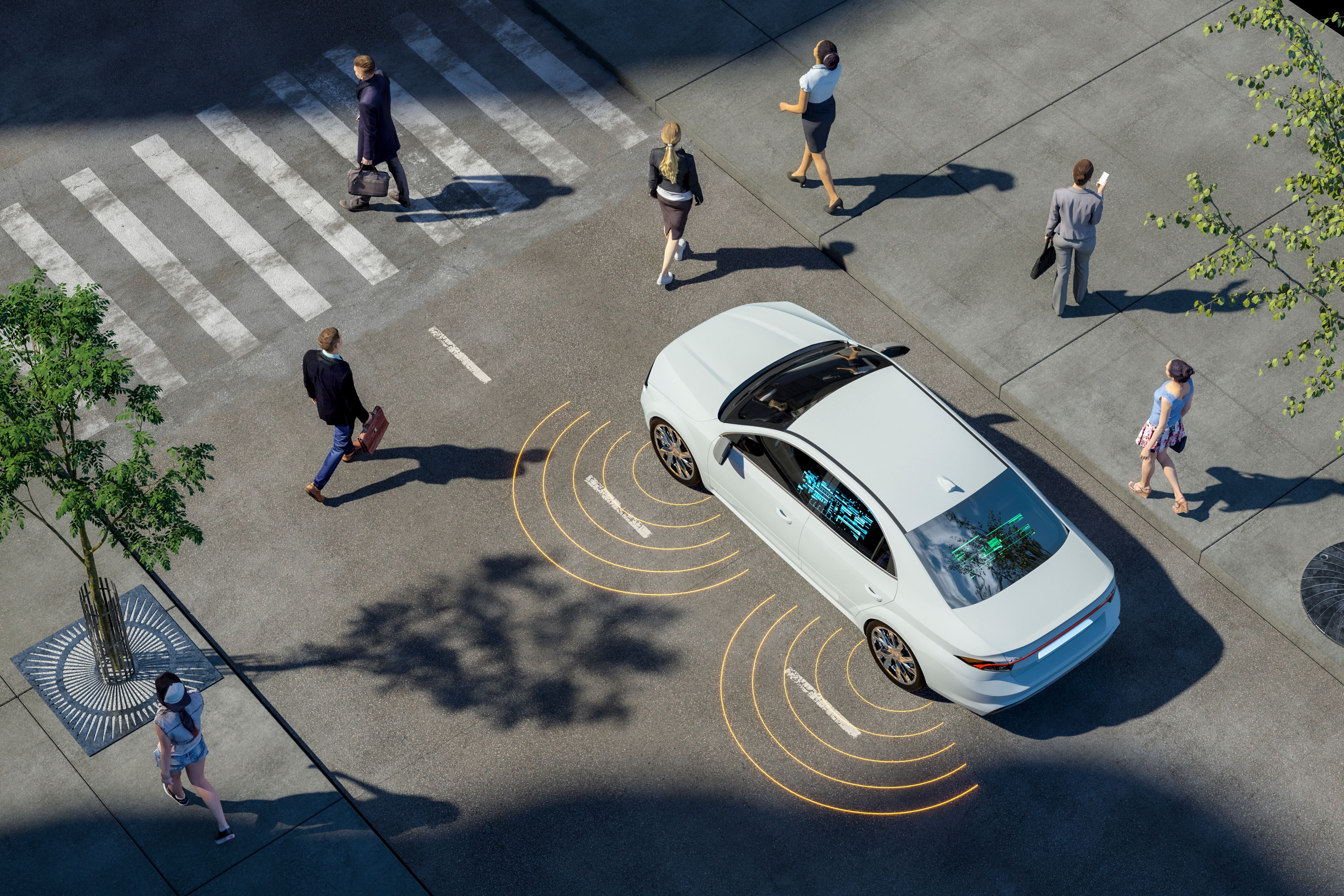
Radar sensors can become misaligned due to minor accidents, wheel alignments, or even a simple bumper repair. When this happens, the entire system may not work correctly, leading to potential safety risks. As a car owner, understanding how these systems work is the first step in deciding if a DIY calibration is feasible for you.
Tools and Equipment Needed
Before attempting any DIY radar calibration, it's essential to have the right tools. Here's a list of what you might need:
- Calibration software specific to your vehicle model.
- Diagnostic scanner tools.
- Measuring tape and alignment tools.
- Jack stands or a lift for access to the radar sensor area.
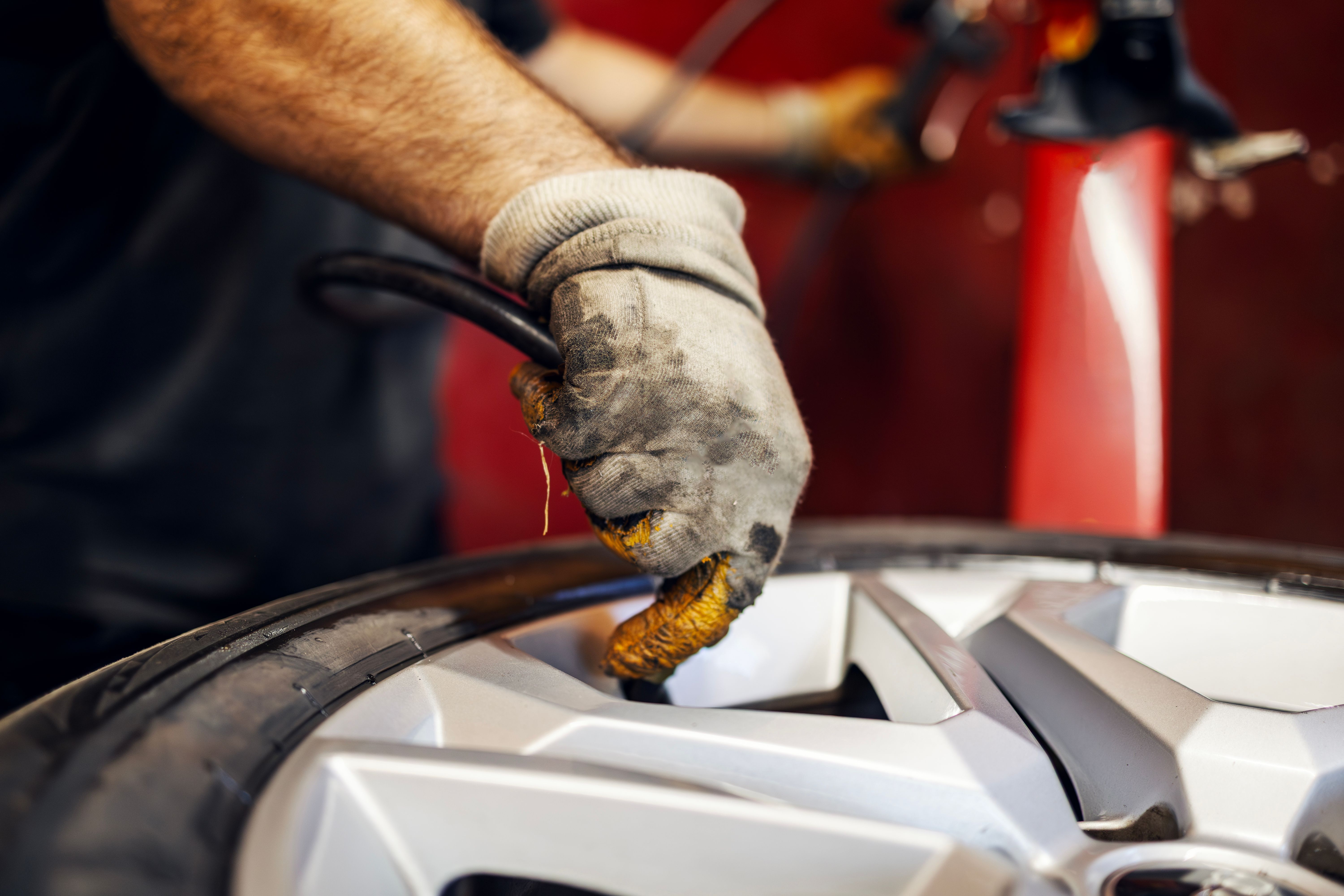
Having the proper equipment is crucial. Without these tools, you risk incorrect calibration, which could impair the radar system's performance and endanger your safety.
Steps for DIY Calibration
If you're confident in your abilities and have the necessary tools, follow these general steps to attempt a DIY calibration:
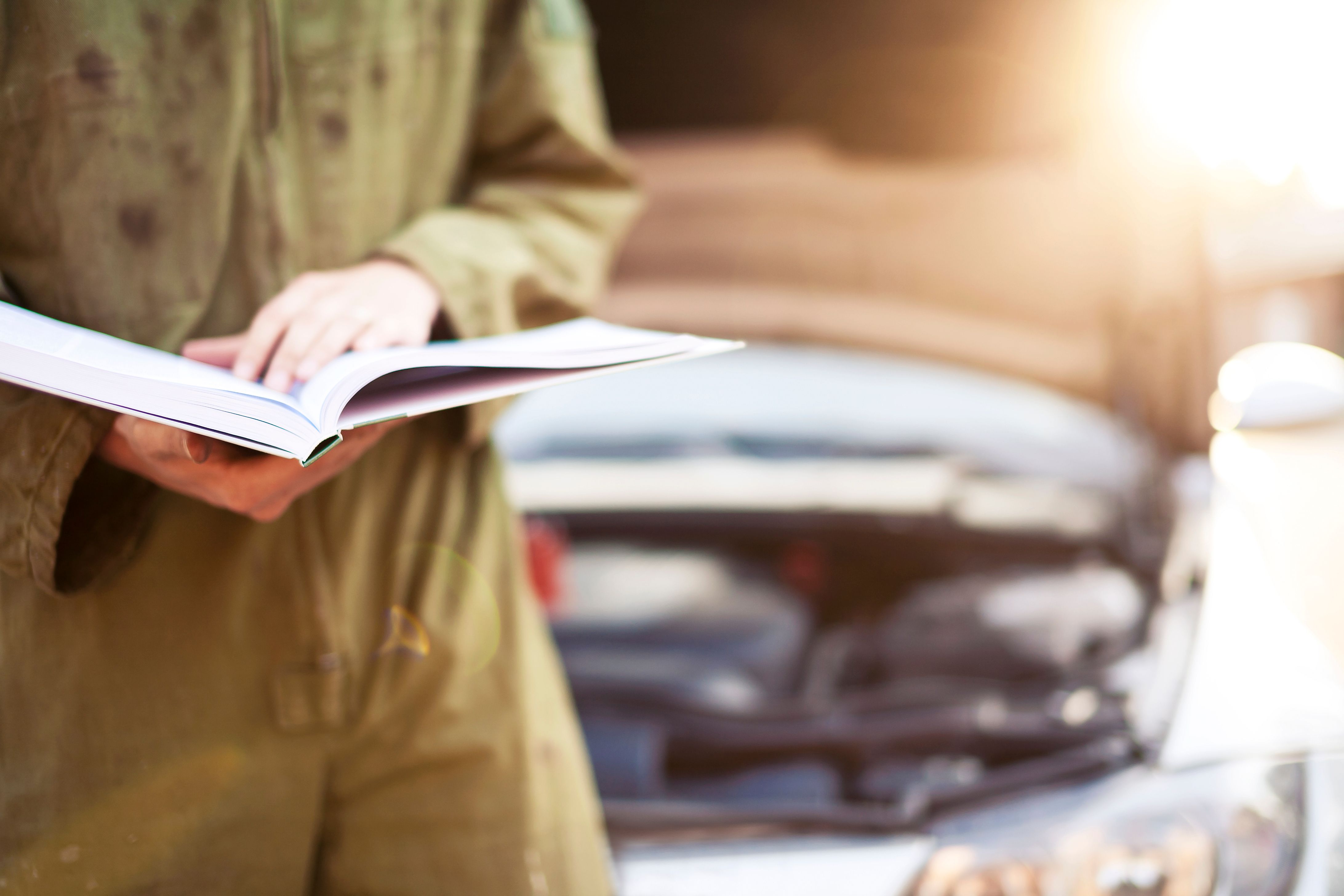
- Consult your vehicle's manual for specific instructions and requirements.
- Use the diagnostic scanner to access the radar system's calibration mode.
- Follow the software prompts to adjust the radar settings according to the manufacturer's specifications.
- Perform a test drive to ensure the system is functioning correctly.
It's important to note that these steps can vary significantly depending on the make and model of your vehicle. Always refer to the vehicle's manual for the most accurate guidance.
Potential Risks and Challenges
DIY radar calibration can be risky if not done correctly. Misaligned radar systems can lead to false readings, ineffective safety features, and even legal issues if the vehicle fails to meet regulatory standards. Moreover, some vehicles require proprietary software only available to authorized dealerships, making DIY attempts impossible.
Consider the time, effort, and potential costs involved if something goes wrong. Professional calibration services might be more expensive upfront but can save you from costly mistakes.
When to Seek Professional Help
If you're unsure about any part of the calibration process, it's best to seek professional help. Certified technicians have the expertise and equipment to ensure that your radar system is calibrated accurately and safely.
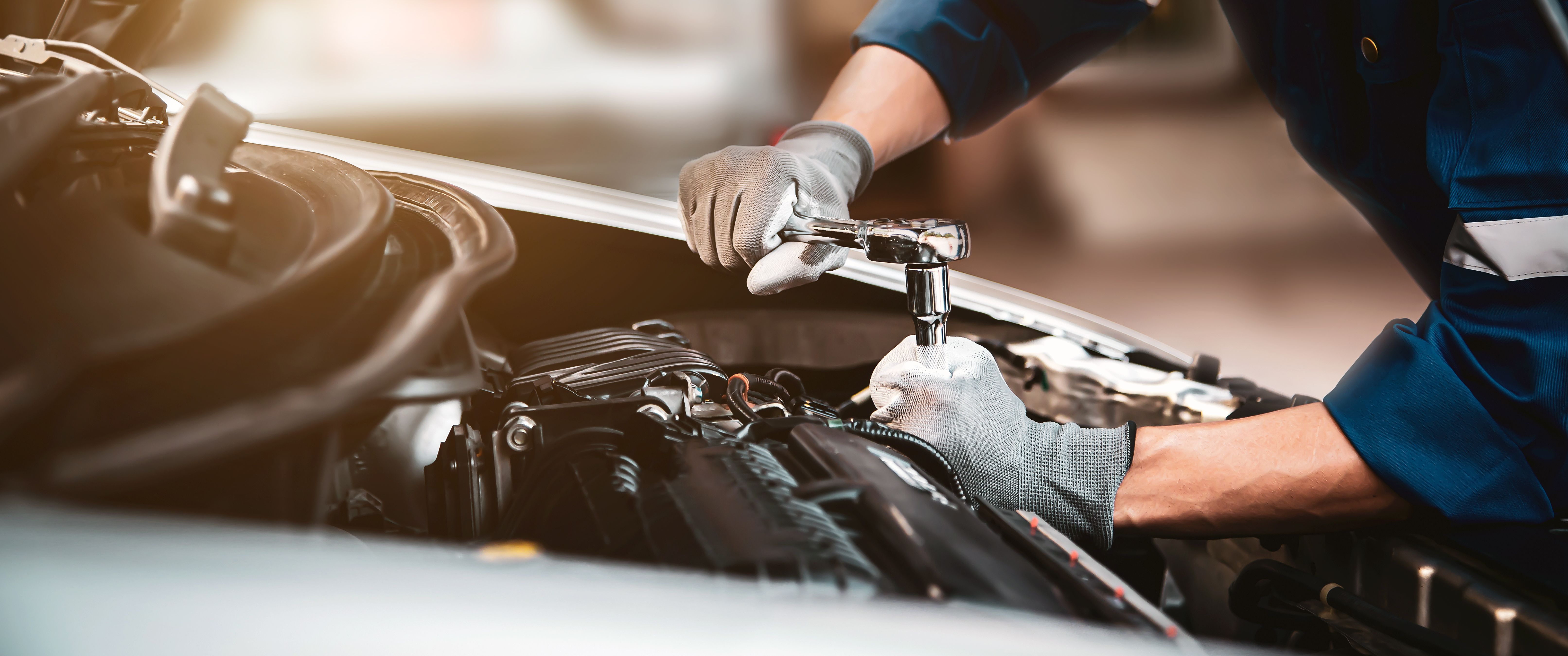
Professional services also offer the advantage of warranties and guarantees, providing peace of mind that your vehicle's radar system is in top condition. Remember, safety should always be your top priority when it comes to vehicle maintenance.