
Expert Insights: Innovations in ADAS Calibration Technology
Understanding ADAS Calibration Technology
Advanced Driver Assistance Systems (ADAS) have become crucial in modern vehicles, enhancing safety and driving efficiency. However, maintaining their accuracy and reliability requires precise calibration. Innovations in ADAS calibration technology are essential to ensure these systems function correctly, preventing potential hazards on the road.
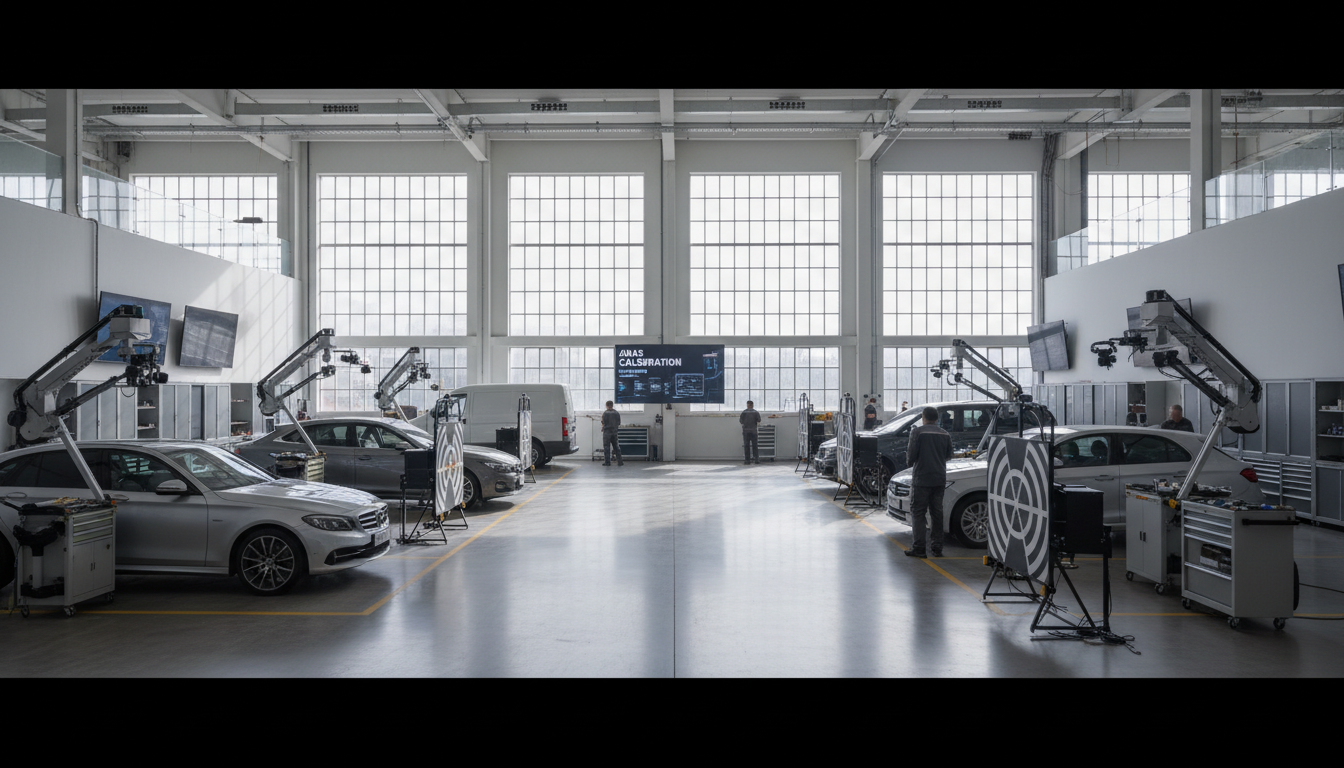
The Importance of Accurate Calibration
ADAS features like lane departure warnings, adaptive cruise control, and automatic emergency braking rely heavily on sensors and cameras. Accurate calibration is vital for these components to work in harmony. Misalignment or calibration errors can lead to incorrect data interpretation, potentially causing malfunctions.
Challenges in Traditional Calibration Methods
Traditional calibration methods often involve manual processes, which can be time-consuming and prone to human error. With the increasing complexity of ADAS, these methods may not provide the precision needed. As vehicle technology evolves, so does the need for more advanced calibration techniques.
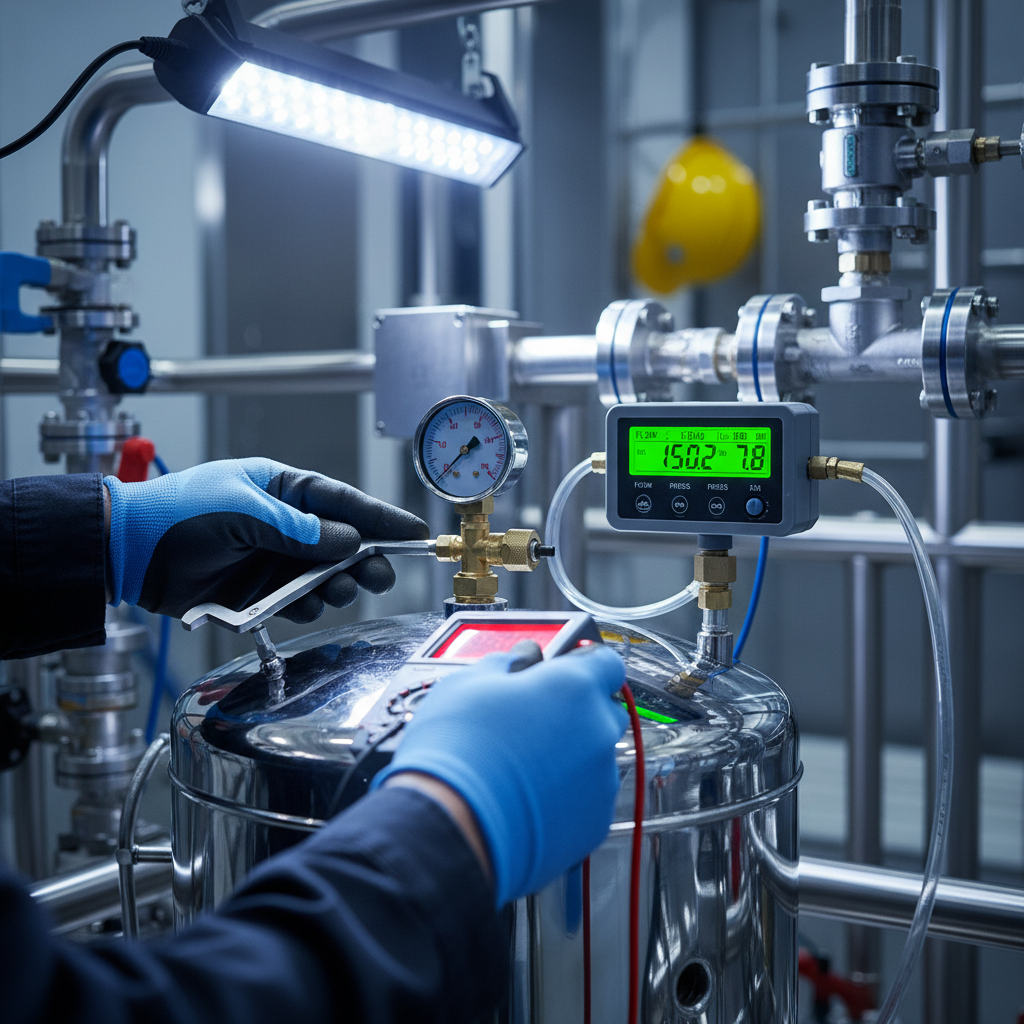
Innovative Calibration Techniques
Recent advancements in technology have introduced more efficient calibration solutions. Some of these include:
- Digital Calibration Systems: Utilizing software to automate the calibration process reduces human error and increases accuracy.
- 3D Imaging Technology: This technology provides a comprehensive view of the vehicle's surroundings, ensuring sensors are perfectly aligned.
- Remote Calibration: Allows technicians to perform calibrations without being physically present, saving time and resources.
The Role of Artificial Intelligence
Artificial Intelligence (AI) plays a significant role in modern ADAS calibration. AI algorithms can process vast amounts of data from vehicle sensors to detect anomalies and adjust calibrations in real-time. This ensures continuous accuracy and system reliability.

Future Trends in ADAS Calibration
As technology advances, so will ADAS calibration techniques. Future trends are likely to include:
- Integration with IoT devices for seamless data exchange.
- Enhanced machine learning algorithms for predictive maintenance.
- Development of universal calibration systems compatible with various vehicle models.
Conclusion
The innovations in ADAS calibration technology are pivotal in advancing vehicle safety and efficiency. As these systems become more sophisticated, the need for precise and reliable calibration methods will continue to grow. Staying informed about these technologies ensures that automotive professionals can deliver the highest standards of safety and performance.