
How to Calibrate Car Radar Systems: A Step-by-Step Guide
Understanding Car Radar Systems
Car radar systems are essential components in modern vehicles, playing a crucial role in safety features such as adaptive cruise control and collision avoidance. These systems use radar waves to detect obstacles and adjust the vehicle's actions accordingly. Ensuring your radar system is properly calibrated is vital for optimal performance.
When to Calibrate
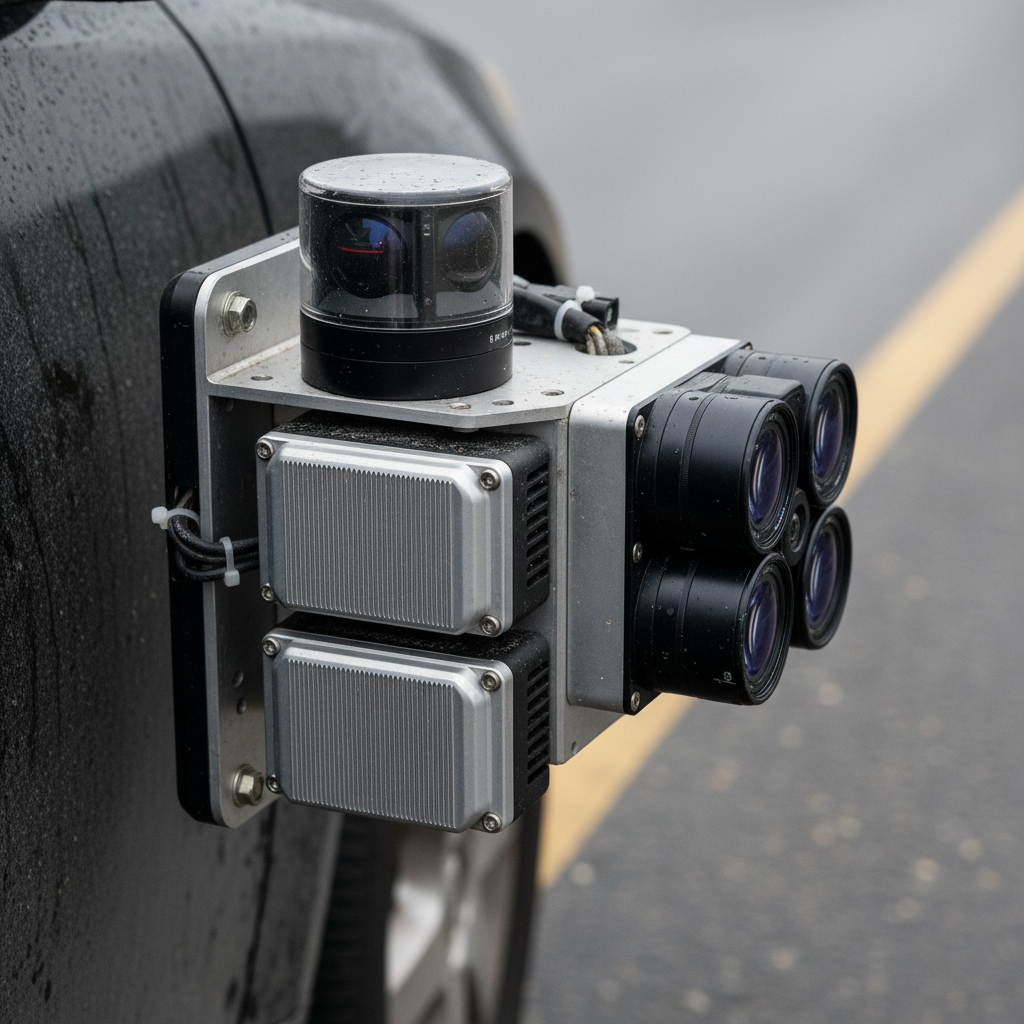
Calibration of your car's radar system is typically required after certain events, such as:
- Replacing or repairing the radar sensor.
- Realignment due to a collision.
- Suspension changes or wheel alignment adjustments.
Regular checks are also recommended to maintain accuracy and safety.
Preparation for Calibration
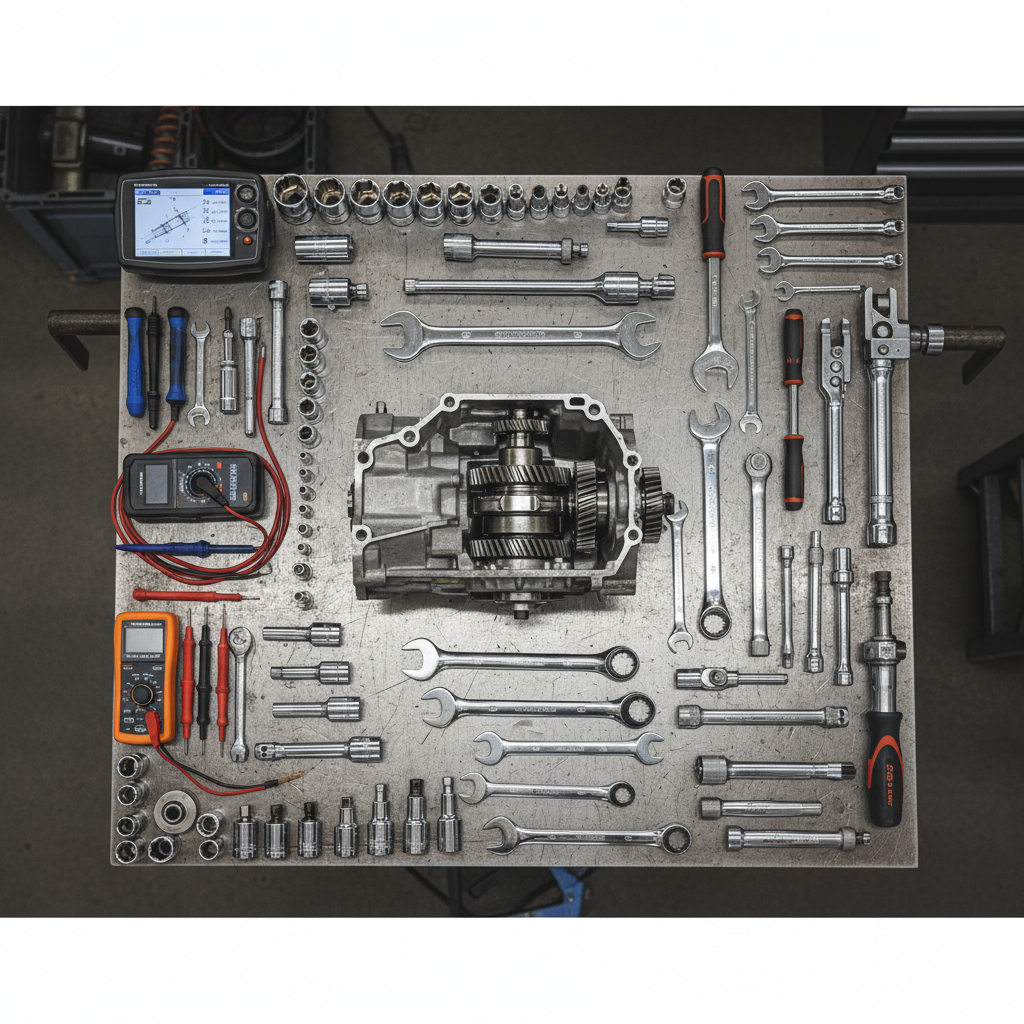
Before starting the calibration process, gather the necessary tools and ensure a suitable environment. You'll need:
- Diagnostic scanner or calibration tool compatible with your vehicle.
- A flat and open space, free from obstructions.
- Access to the vehicle's technical manual for specific instructions.
Step-by-Step Calibration Guide
Step 1: Position the Vehicle
Place your car on a level surface. Ensure there are no metallic objects or large obstacles around, as these can interfere with the radar signals. It's essential to follow the specific distance requirements outlined in the vehicle's manual.
Step 2: Connect the Diagnostic Tool
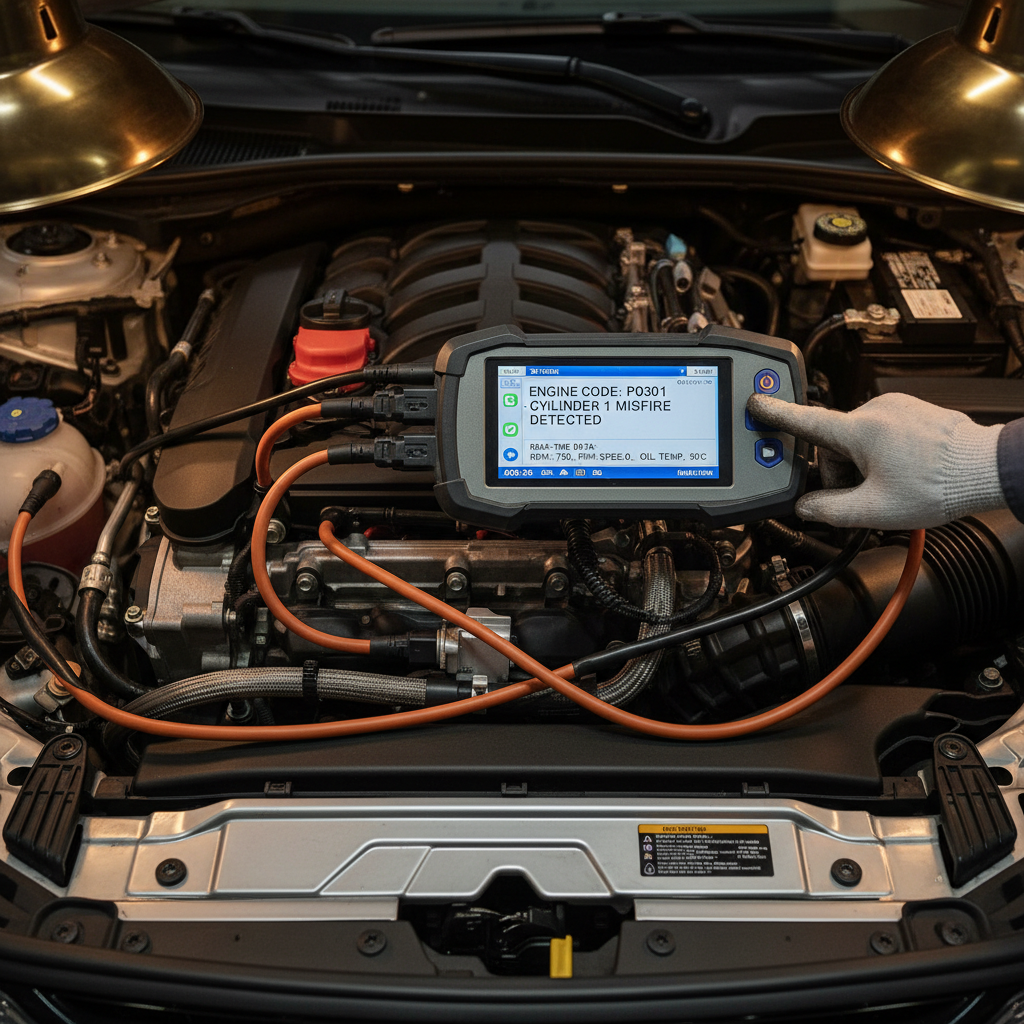
Connect the diagnostic tool to the car's onboard diagnostics (OBD) port. Turn on the vehicle and the scanner. Navigate to the radar system settings and select the calibration option.
Step 3: Follow Calibration Instructions
The diagnostic tool will provide detailed instructions. Follow these carefully, adjusting the radar sensor if needed. The tool may require you to drive the vehicle at a specific speed to complete the calibration.
Final Checks
Once the calibration process is complete, conduct a test drive to ensure the radar system is functioning correctly. Pay attention to any warnings or errors that may appear on the dashboard. It's crucial to address any anomalies immediately.
Professional Assistance
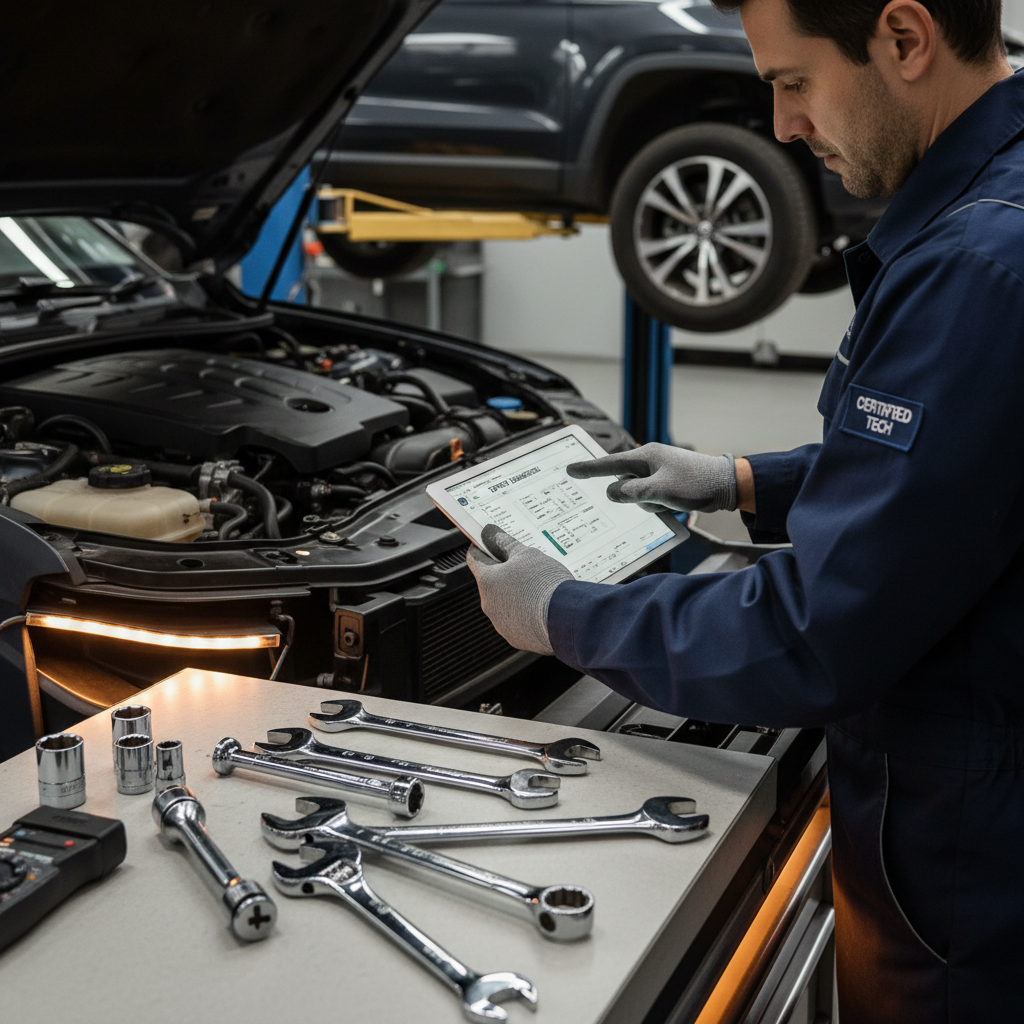
If you're uncertain about performing the calibration yourself, it's advisable to seek professional assistance. A trained technician can ensure the process is done accurately, enhancing the safety and reliability of your vehicle.
Conclusion
Regular calibration of your car's radar system is essential for maintaining safety and functionality. By following these step-by-step guidelines, you can ensure your radar system is accurately calibrated, providing peace of mind on the road. Remember, when in doubt, consulting a professional is always a wise choice.