
How to Prepare Your Vehicle for Winter: ADAS Calibration Tips
Understanding ADAS and Its Importance
As winter approaches, preparing your vehicle for the colder months is essential. One crucial aspect often overlooked is the calibration of Advanced Driver Assistance Systems (ADAS). These systems include features like lane departure warnings, adaptive cruise control, and automatic emergency braking. Proper calibration ensures they function correctly, providing the safety and convenience you rely on.
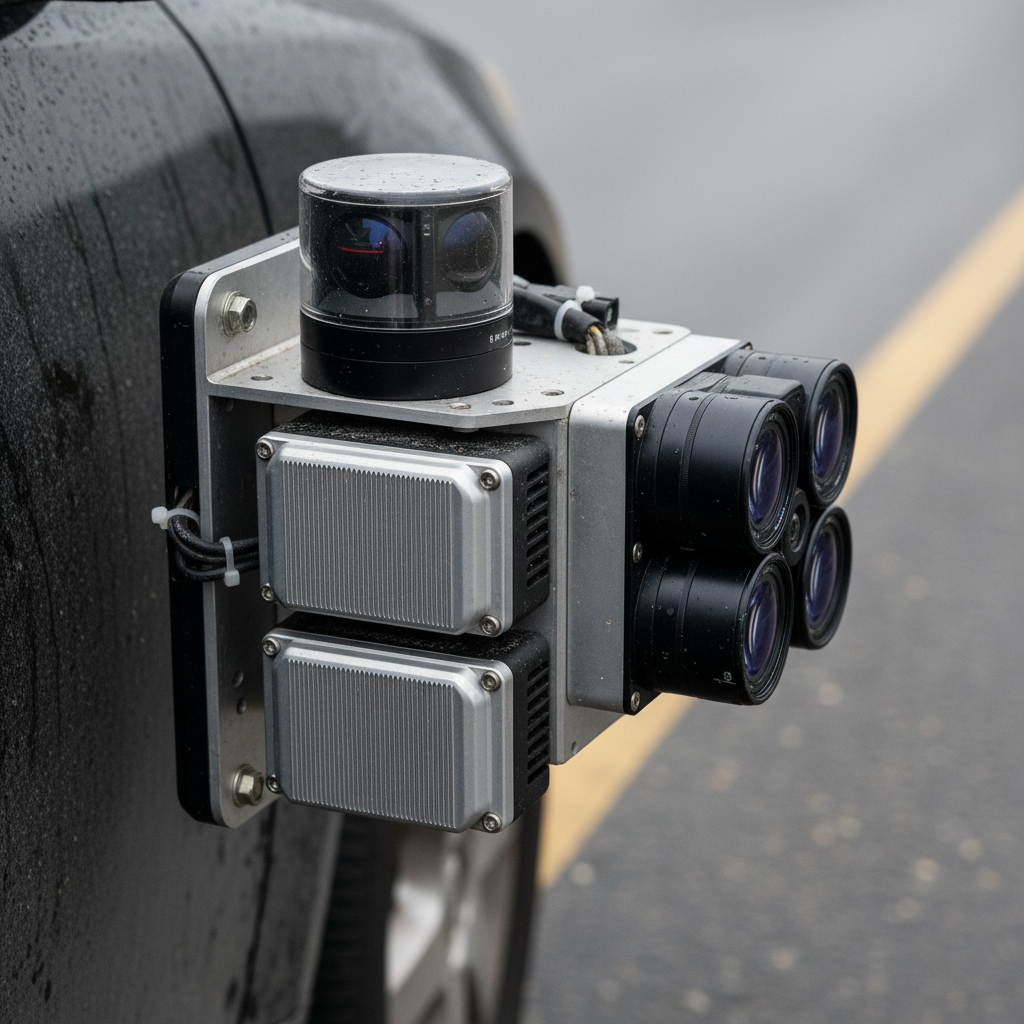
ADAS relies on cameras, sensors, and radars to operate effectively. In winter, road conditions and visibility can be challenging, making it even more critical for these systems to be correctly calibrated. Failure to do so can result in improper functioning, potentially leading to unsafe driving situations.
When to Consider ADAS Calibration
There are specific situations when you should consider calibrating your ADAS. Here are some key instances:
- After a windshield replacement, as cameras and sensors may need realignment.
- Following any collision, even minor ones, which could affect sensor positioning.
- If you notice any alerts or malfunctions in the system.
- After modifying your vehicle's suspension or wheel alignment.
Ensuring your ADAS is calibrated under these circumstances will help maintain the accuracy and reliability of your vehicle's safety features.
Steps to Calibrate ADAS
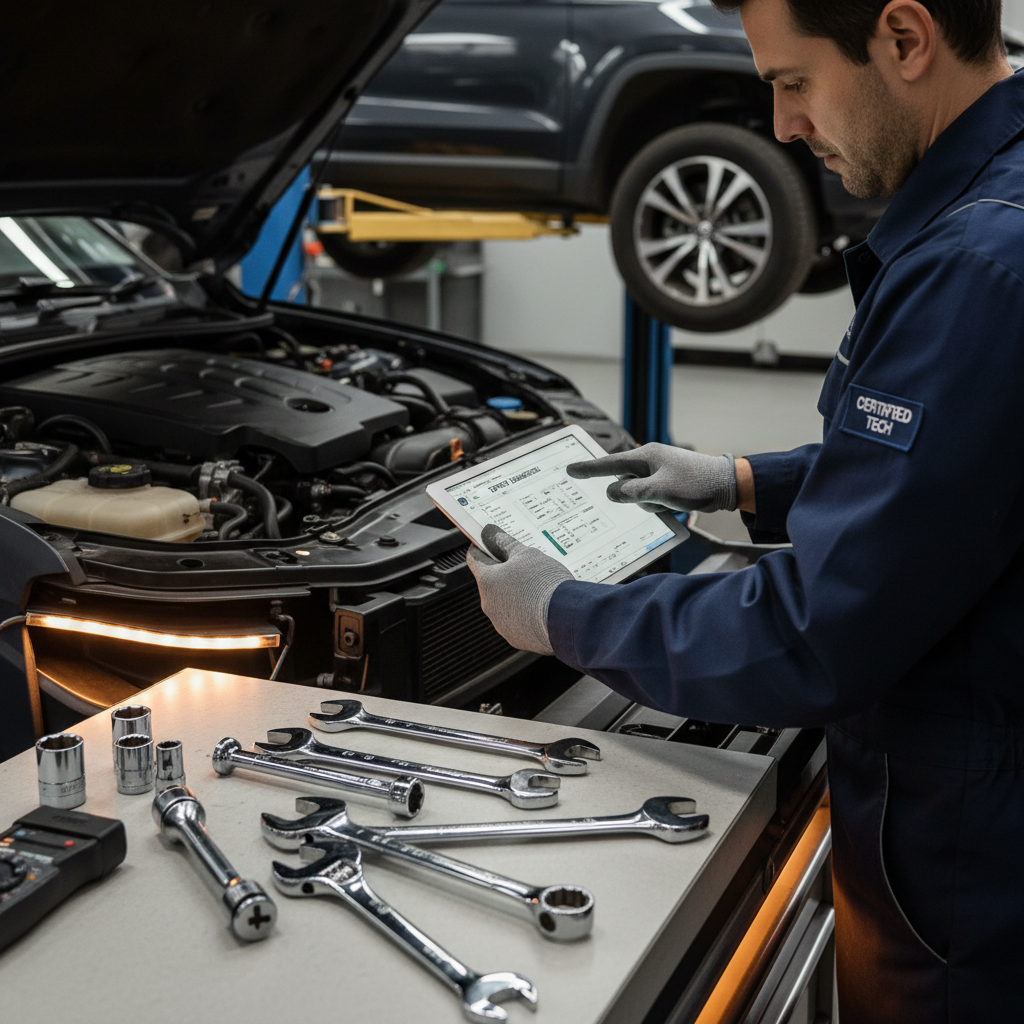
Calibrating ADAS can be complex, requiring specialized equipment and expertise. Here’s a general overview of the process:
- Consult a Professional: Reach out to a certified technician or dealership with experience in ADAS calibration.
- Use Proper Tools: Ensure that the professional uses manufacturer-specific tools and software for accurate calibration.
- Test Drive: After calibration, a test drive might be necessary to ensure all systems operate correctly.
Skipping these steps or attempting DIY calibration can lead to ineffective results, compromising your vehicle's safety systems.
Maintaining ADAS During Winter
Winter conditions can impact the performance of ADAS sensors and cameras. Here are some tips to maintain their functionality:
- Keep It Clean: Regularly clean sensors, cameras, and your windshield to prevent snow, ice, and dirt buildup.
- Check for Alerts: Pay attention to any system alerts indicating potential issues with ADAS components.
- Stay Informed: Refer to your vehicle's manual for any specific winter maintenance recommendations for ADAS.
Proper maintenance ensures your vehicle remains safe and efficient, even in harsh winter conditions.
Conclusion
Preparing your vehicle for winter involves more than just swapping tires and checking fluids. Ensuring your ADAS is properly calibrated and maintained is crucial for safe driving in adverse weather. By taking these steps, you can enjoy peace of mind knowing that your vehicle's advanced safety features are ready to support you through the winter months.