
The Importance of Adaptive Cruise Control Calibration for Safe Driving
Understanding Adaptive Cruise Control
Adaptive Cruise Control (ACC) is an advanced driver assistance system that enhances traditional cruise control by automatically adjusting the vehicle's speed to maintain a safe following distance from the car ahead. This technology uses sensors and cameras to monitor the traffic environment, ensuring a smoother and safer driving experience.
ACC is particularly beneficial in heavy traffic or long highway drives, reducing the driver's workload and increasing comfort. However, to function optimally, ACC systems require regular calibration to ensure accuracy and reliability.

Why Calibration is Crucial
Calibration is essential for the proper functioning of ACC systems. Over time, factors such as wheel alignment, collisions, or even routine maintenance can affect sensor accuracy. Misaligned sensors can lead to incorrect speed adjustments or unsafe following distances, compromising safety.
Regular calibration ensures that the sensors and cameras are aligned correctly, allowing the ACC system to accurately assess the distance to the vehicle ahead and respond appropriately. This process is crucial for maintaining the reliability and effectiveness of the system.
The Calibration Process
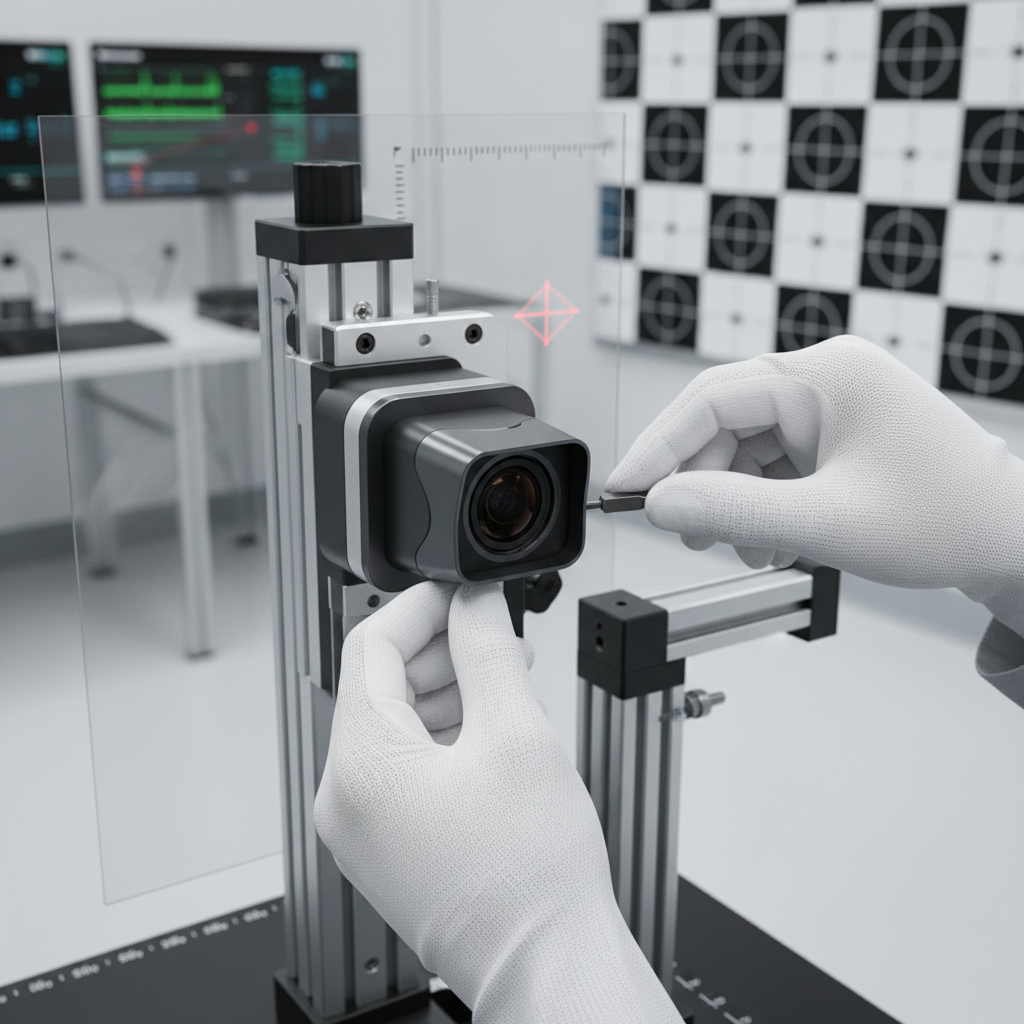
The calibration process typically involves specialized equipment and trained technicians. Here's a general outline of what it entails:
- Technicians use diagnostic tools to check the system's settings and sensor alignment.
- They adjust the sensors and cameras to match the manufacturer's specifications.
- The system is tested in real-world conditions to ensure proper functionality.
Benefits of Regular Calibration
Regular calibration of Adaptive Cruise Control offers several benefits:
- Enhanced Safety: Accurate sensor readings help maintain safe distances, reducing the risk of collisions.
- Improved Performance: Proper calibration ensures smooth speed adjustments and better traffic flow management.
- Longevity of the System: Regular maintenance can extend the lifespan of your ACC system, preventing costly repairs.
When to Calibrate Your ACC System
It's advisable to calibrate your ACC system under the following circumstances:
- After any collision or impact.
- Following wheel alignment or suspension modifications.
- During regular vehicle maintenance check-ups.

Conclusion
Adaptive Cruise Control is a vital feature for modern vehicles, providing significant safety and comfort benefits. However, like any advanced system, it requires proper care and maintenance. Regular calibration is an investment in your safety and the longevity of your vehicle's technology.
By ensuring your ACC system is correctly calibrated, you can enjoy a safer, more relaxed driving experience, knowing that your vehicle is equipped to handle varying traffic conditions with precision and reliability.