
The Ultimate Guide to Brake Testing and Calibration in Dewsbury
Understanding Brake Testing
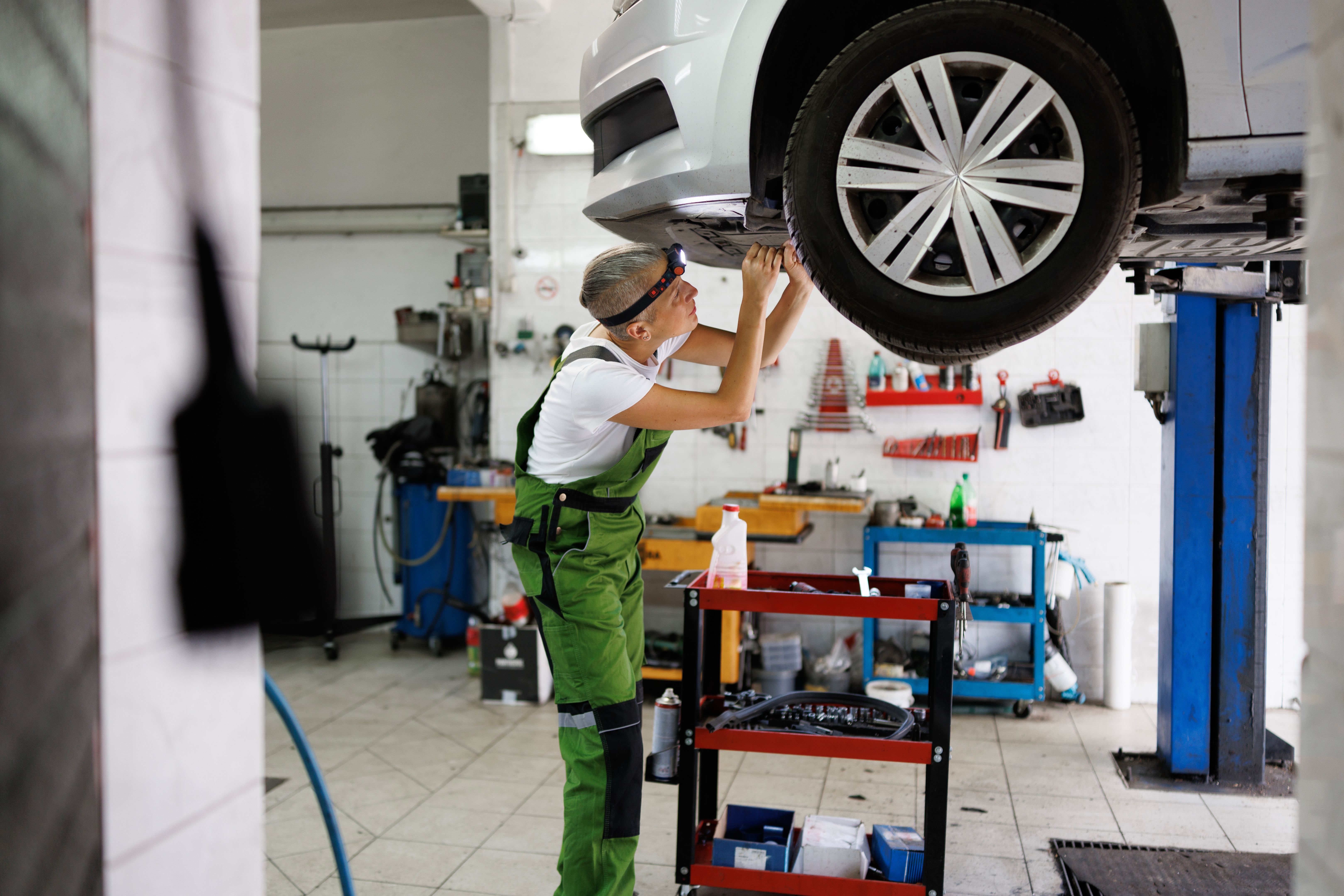
Brake testing is a critical aspect of vehicle maintenance, ensuring that your car’s braking system is functioning optimally. Without regular testing, you risk compromising your vehicle's safety and performance. In Dewsbury, where diverse driving conditions can impact brake systems, regular testing is even more crucial.
Brake testing involves assessing the efficiency of brake components like pads, rotors, and fluid. Technicians use specialized equipment to measure stopping distances and response times, ensuring everything meets safety standards. Regular brake testing can prevent accidents and costly repairs by catching issues early.
Why Calibration Matters
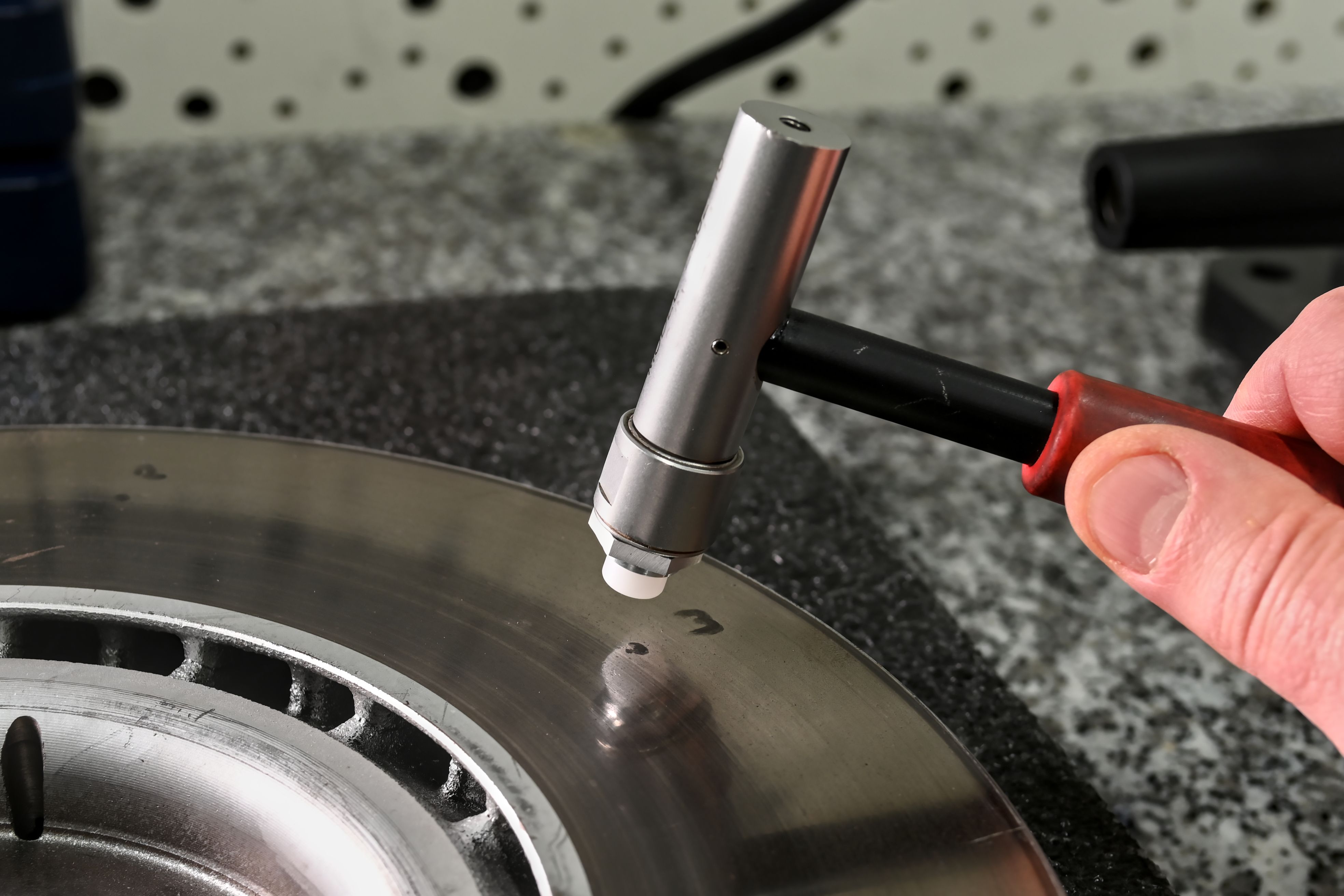
Brake calibration is the process of adjusting your braking system to ensure it works correctly with your vehicle’s specific parameters. This process is essential after any brake replacement or repair to maintain optimal performance.
A well-calibrated brake system ensures that your vehicle responds precisely to your inputs, providing a consistent and reliable stopping distance. This is crucial for maintaining control during emergency braking situations, especially in wet or icy conditions.
Signs Your Brakes Need Attention
Knowing when to have your brakes tested and calibrated can save you time and money. Here are some signs to watch for:
- Squealing or grinding noises when braking
- Vibration in the brake pedal
- Increased stopping distances
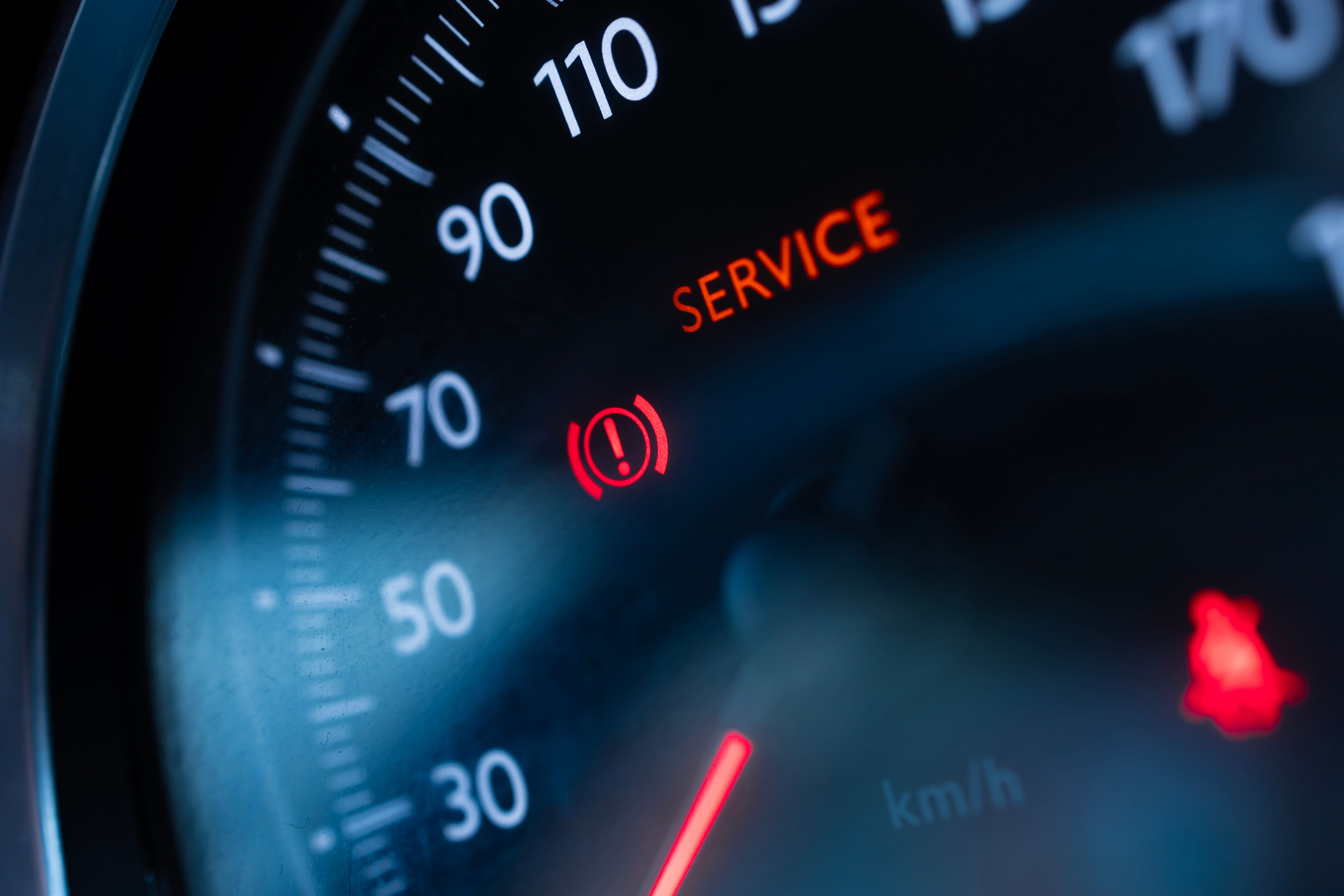
- Brake warning light on the dashboard
If you notice any of these issues, it’s time to schedule a brake test. Ignoring these signs can lead to more severe problems down the road.
Choosing a Brake Specialist in Dewsbury
When selecting a brake specialist, consider their experience, qualifications, and customer reviews. A reputable service provider will offer transparent pricing and detailed explanations of their processes.
In Dewsbury, there are numerous options, but choosing a specialist with a proven track record of customer satisfaction and expertise in the latest brake technologies is crucial.
Steps in Brake Testing and Calibration
The brake testing process typically includes the following steps:
- Initial inspection of brake components
- Performance testing using diagnostic tools
- Adjustments and calibration as necessary
- Final safety checks
Each step is vital to ensure the safety and reliability of your vehicle’s braking system.
Maintaining Your Brakes
Regular maintenance is key to extending the life of your brakes and ensuring safety. Here are some tips:
- Check brake fluid levels regularly
- Replace brake pads before they wear out completely
- Have your brakes inspected during routine vehicle maintenance
By following these tips, you can avoid unexpected brake failures and maintain optimal vehicle performance.