
Understanding ADAS: How It Works and Why It’s Essential for Modern Vehicles
Understanding ADAS: An Overview
Advanced Driver Assistance Systems (ADAS) have become a cornerstone of modern vehicle technology. These systems are designed to automate, adapt, and enhance vehicle systems to improve safety and driving experience. By reducing human error, ADAS plays a crucial role in preventing accidents and saving lives.
ADAS includes a variety of technologies such as adaptive cruise control, lane departure warning, and automatic emergency braking. These features work together to monitor the vehicle's surroundings and provide real-time feedback to the driver.

How ADAS Works
Sensors and Data Processing
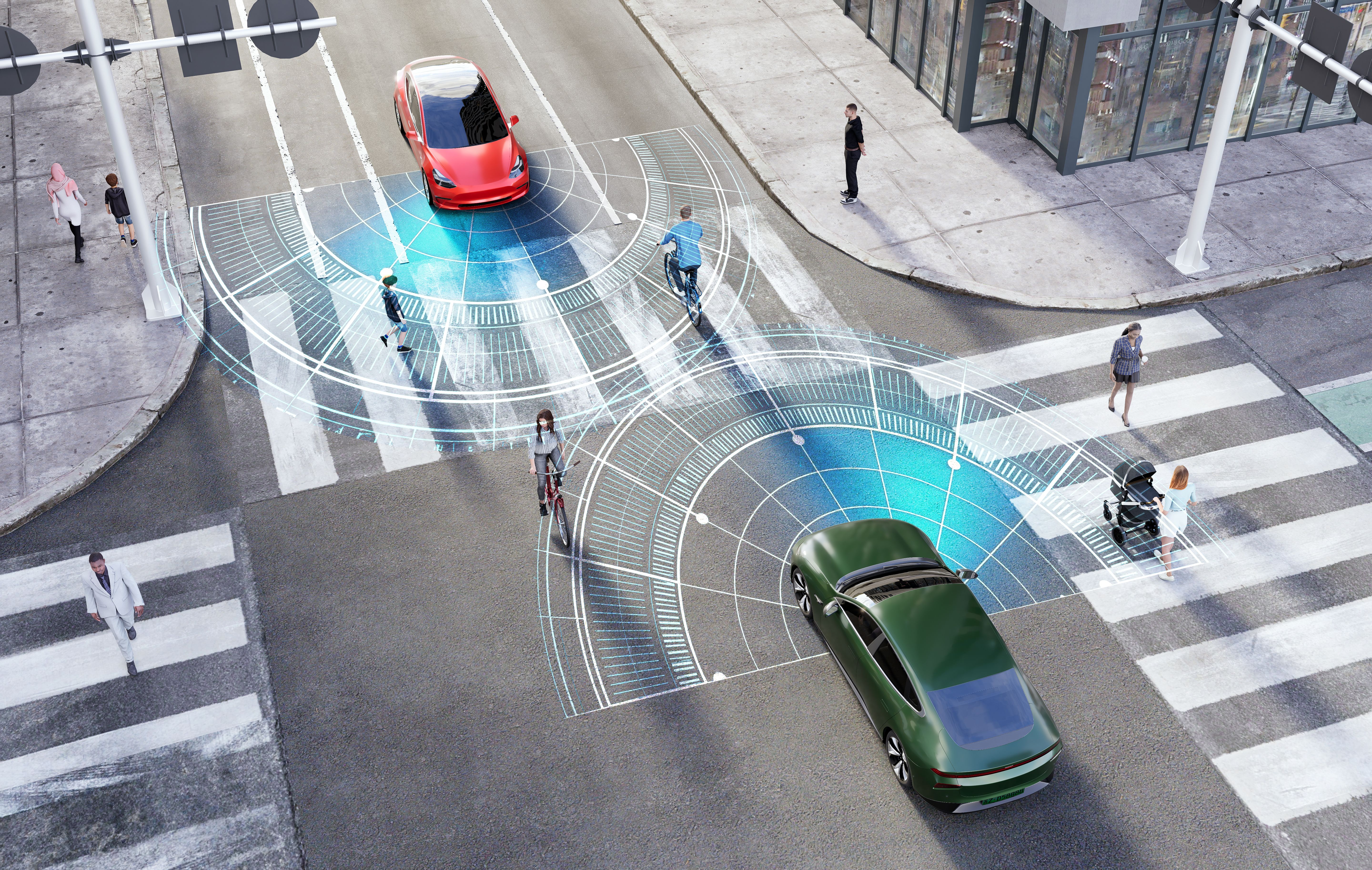
At the core of ADAS technology are sensors and cameras strategically placed around the vehicle. These sensors collect data about the vehicle's environment, including road conditions, nearby vehicles, and obstacles. The data is then processed by onboard computers, which use complex algorithms to assess potential hazards.
Real-Time Feedback and Alerts
Once potential dangers are identified, ADAS systems can provide real-time feedback and alerts to the driver. For example, if the system detects an imminent collision, it may trigger an alert or even initiate corrective actions such as automatic braking. This immediate response is key to preventing accidents.
Why ADAS is Essential
Enhancing Safety
The primary goal of ADAS is to enhance safety for both drivers and pedestrians. By minimizing human error, these systems significantly reduce the likelihood of accidents. Features like blind-spot monitoring and lane-keeping assistance help drivers maintain control and awareness on the road.
Improving Driving Experience
Beyond safety, ADAS also improves the overall driving experience. Adaptive cruise control, for instance, can adjust vehicle speed based on traffic conditions, making long drives less tiring. These conveniences contribute to a more relaxed and enjoyable journey.

Future of ADAS
Integration with Autonomous Vehicles
As technology advances, ADAS is becoming more integrated with autonomous vehicle systems. This integration is paving the way for fully autonomous vehicles, where human intervention is minimized to ensure maximum efficiency and safety.
Continual Advancements
The future of ADAS is promising, with ongoing research and development aimed at enhancing these systems. Innovations in artificial intelligence and machine learning are expected to drive further improvements, making vehicles smarter and safer than ever before.

Conclusion
Understanding how ADAS works and its importance in modern vehicles is crucial for appreciating the technology's impact on road safety. As these systems continue to evolve, they will play an even more vital role in shaping the future of transportation, offering both safety enhancements and improved driving experiences.