
Understanding Advanced Driver Assistance Systems: A Comprehensive Guide
Introduction to Advanced Driver Assistance Systems (ADAS)
Advanced Driver Assistance Systems, or ADAS, represent a significant leap in automotive technology, providing enhanced safety and convenience features. These systems are designed to assist drivers in the driving process, making roads safer and driving more efficient. Understanding ADAS is crucial for anyone interested in the future of transportation.

Key Features of ADAS
ADAS encompasses a variety of features that work together to improve the driving experience. Some of the most common features include:
- Adaptive Cruise Control: Automatically adjusts the vehicle's speed to maintain a safe distance from the car ahead.
- Lane Departure Warning: Alerts the driver if the vehicle begins to drift out of its lane without signaling.
- Automatic Emergency Braking: Detects potential collisions and applies the brakes if necessary.
These features are designed to reduce human error, which is a leading cause of traffic accidents.
How ADAS Works
ADAS relies on a combination of sensors, cameras, and radar systems to monitor the vehicle's surroundings. These technologies work together to interpret real-time data and assist the driver in making informed decisions. The integration of these systems is often seamless, providing support without intruding on the driving experience.
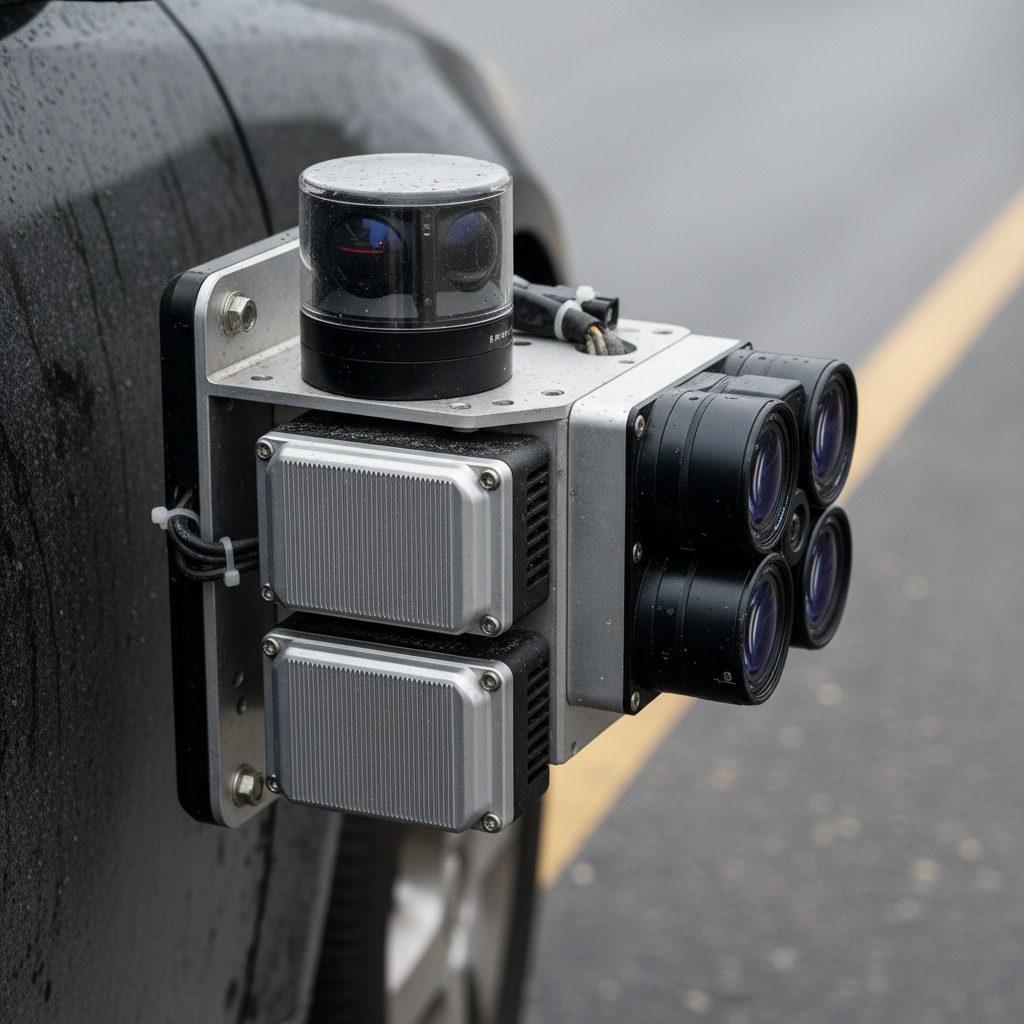
The Role of Sensors in ADAS
Sensors are the backbone of ADAS. They gather data about the vehicle's environment, including the presence of other vehicles, pedestrians, and road conditions. Common types of sensors used in ADAS include:
- Radar Sensors: Measure the distance and speed of objects around the vehicle.
- Camera Systems: Provide visual data for lane detection and object recognition.
- Ultrasonic Sensors: Assist in parking by detecting objects at close range.
These sensors work in harmony to provide a comprehensive view of the driving environment.
The Benefits of ADAS
Implementing ADAS in vehicles offers numerous benefits, such as:
- Improved Safety: By reducing human error, ADAS helps prevent accidents and save lives.
- Enhanced Comfort: Features like adaptive cruise control and automated parking make driving less stressful.
- Increased Efficiency: Systems that optimize speed and braking can lead to better fuel efficiency.

Challenges and Considerations
While ADAS offers many advantages, there are still challenges to overcome. These include the need for high-quality sensor data, potential system failures, and the requirement for driver education to ensure proper use. Manufacturers are continuously working to improve these systems and address these concerns.
Another consideration is the cost of ADAS. Advanced features can significantly increase the price of a vehicle, which may be a barrier for some consumers.
The Future of ADAS
As technology advances, ADAS is expected to become more sophisticated and widespread. Future developments may include fully autonomous vehicles and even smarter systems that can predict and react to a wider range of scenarios. The ongoing research and innovation in this field promise to reshape the landscape of transportation.

Overall, Advanced Driver Assistance Systems represent an exciting development in automotive technology, offering enhanced safety, comfort, and efficiency on the road. Understanding these systems is essential for embracing the future of driving.