
Understanding the Differences: Radar Calibration vs. Standard Maintenance
Introduction
In the world of automotive care, ensuring that your vehicle is functioning optimally involves a wide range of services. Two critical aspects of maintaining vehicle safety and performance are radar calibration and standard maintenance. While both are essential, they serve different purposes and involve distinct processes. Understanding the differences between these services can help you make informed decisions about your vehicle's care.
What is Radar Calibration?
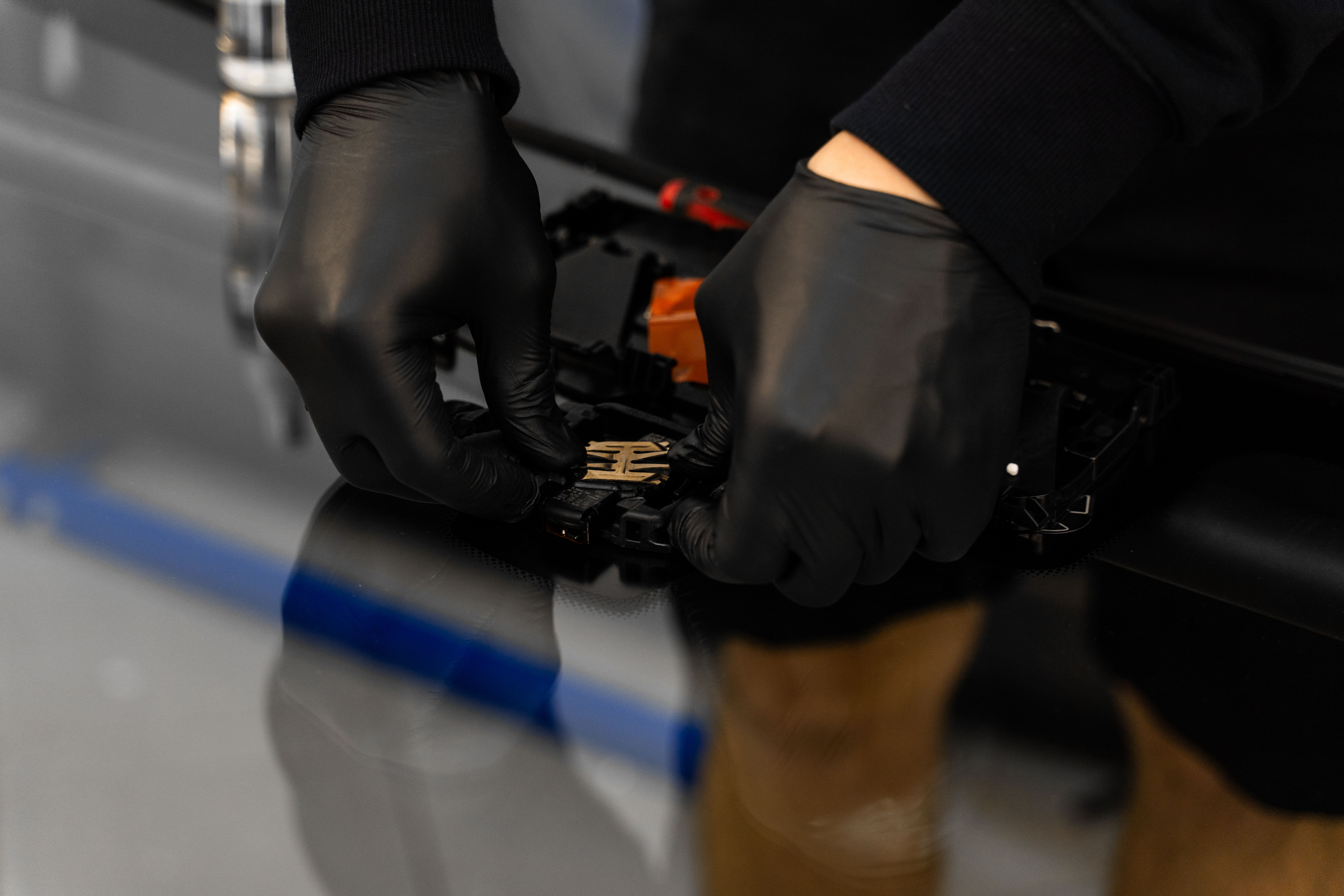
Radar calibration is a specialized service that focuses on the advanced driver-assistance systems (ADAS) of modern vehicles. These systems use radar sensors to provide features like adaptive cruise control, lane keep assist, and collision avoidance. Accurate calibration ensures that these systems function correctly and safely.
When a vehicle undergoes repairs that affect the alignment or position of radar sensors, such as a windshield replacement or a bumper repair, recalibration is necessary. This process involves precise adjustments to ensure the sensors are aligned according to the manufacturer's specifications.
Why is Radar Calibration Important?
The accuracy of radar sensors is crucial for the effectiveness of ADAS. Misaligned sensors can lead to incorrect readings, potentially causing safety features to malfunction. Regular calibration helps maintain the reliability of these systems, ensuring the safety of both the driver and other road users.
Understanding Standard Maintenance
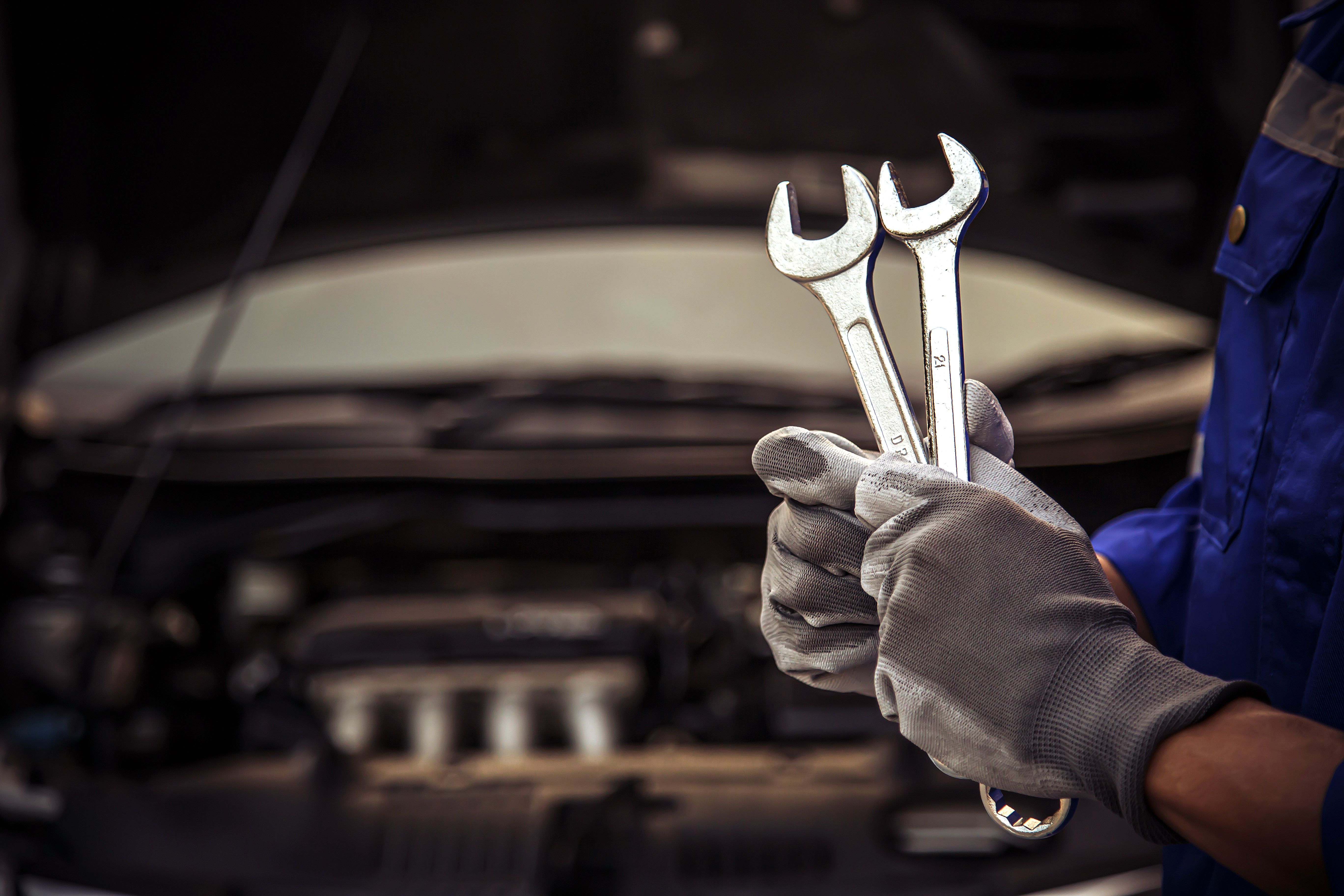
Standard maintenance refers to routine services that keep your vehicle running smoothly. These services typically include oil changes, tire rotations, brake inspections, and fluid checks. Regular maintenance is essential for the longevity and efficiency of your vehicle.
Unlike radar calibration, standard maintenance does not involve advanced technology or specialized equipment. However, it is equally important in preventing wear and tear, reducing the risk of breakdowns, and maintaining overall vehicle performance.
The Benefits of Regular Maintenance
Regular maintenance offers several benefits, including improved fuel efficiency, enhanced safety, and increased resale value. By addressing minor issues before they become significant problems, you can save money on costly repairs and enjoy a more reliable driving experience.
Comparing Radar Calibration and Standard Maintenance
While both radar calibration and standard maintenance are essential, they address different aspects of vehicle care. Radar calibration focuses on the accuracy and functionality of advanced safety systems, whereas standard maintenance ensures the mechanical and operational health of your vehicle.
- Purpose: Radar calibration targets ADAS accuracy, while standard maintenance covers general vehicle upkeep.
- Frequency: Radar calibration is performed as needed, often after specific repairs. Standard maintenance follows a regular schedule.
- Technicality: Radar calibration requires specialized tools and expertise, whereas standard maintenance involves routine procedures.
Conclusion
Understanding the differences between radar calibration and standard maintenance helps you appreciate their unique roles in vehicle care. By ensuring both are performed as needed, you can maintain your vehicle's performance, safety, and longevity. Always consult with a professional to determine the appropriate services for your specific vehicle and driving habits.